One of the women working for change is surgeon Katja Schlosser. The former head physician at Agaplesion Hospital in Giessen is working with her association "Die Chirurginnen” (The Female Surgeons) to ensure that female colleagues can continue to practice their profession even during pregnancy. In some clinics, pregnant women are still banned from operating rooms - often due to restrictive interpretations of the Maternity Protection Act. This can put female surgeons at a disadvantage compared to their male colleagues. That’s why Katja Schlosser is calling for an equal say in decision-making processes, as well as equal career opportunities for women.
Standing up for themselves is often difficult for girls from male-dominated cultures. Take Bahareh Husseini. She fled Iran and now lives in the German city of Düsseldorf. She wanted to study and be able determine her own path in life. In Germany, she found support at Diakonie, a Protestant social welfare organization. There, Jessica te Heesen heads the JUMP project, which helps refugee girls develop self-confidence, assert themselves, and find their way in school and at work. Bahareh is now studying medical physics — and passing on her experiences to others.
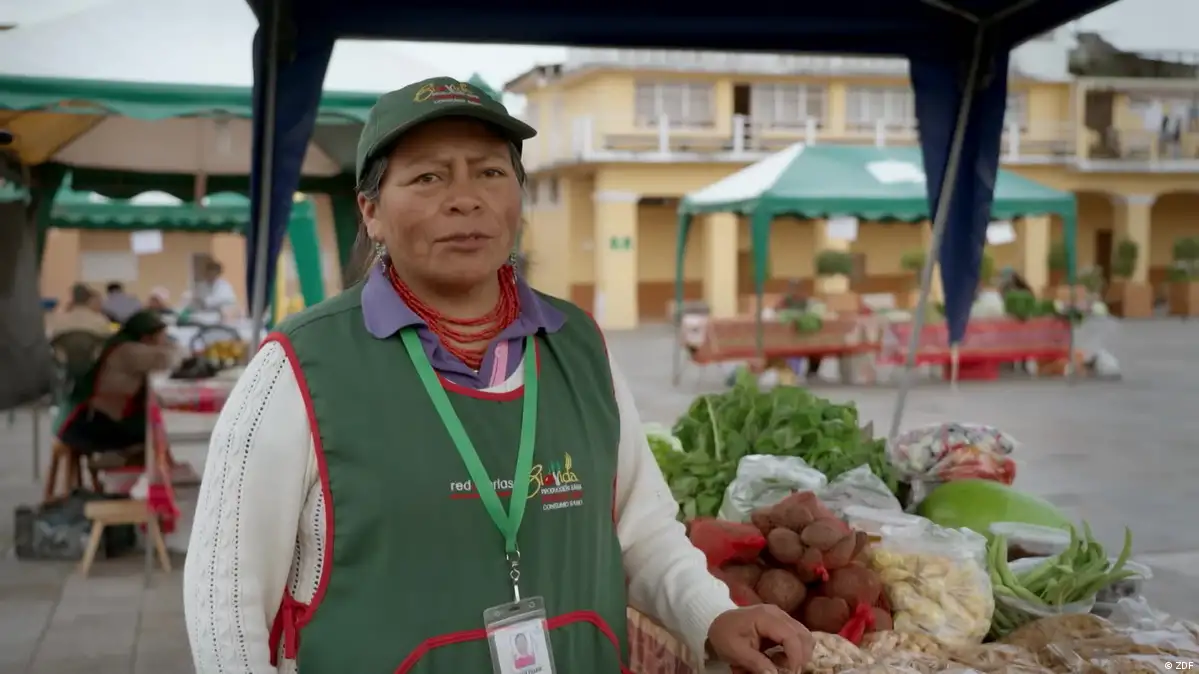
This is exactly what Patricia Yaselga is promoting with her SEDAL foundation in Ecuador. In the north of the country, many indigenous women have little choice but to work in the cut flower industry. It usually pays only the minimum wage and contaminates the once fertile soil with pesticides and artificial fertilizers. Among the consequences: poverty and malnutrition. SEDAL offers workshops in organic farming for indigenous women so that they can become financially independent and feed their families. The courses don’t just teach them cultivation techniques, but also how to develop self-confidence and assert their rights. Some of the organic farmers are now also politically active in their communities.
For more videos like this one, follow this link