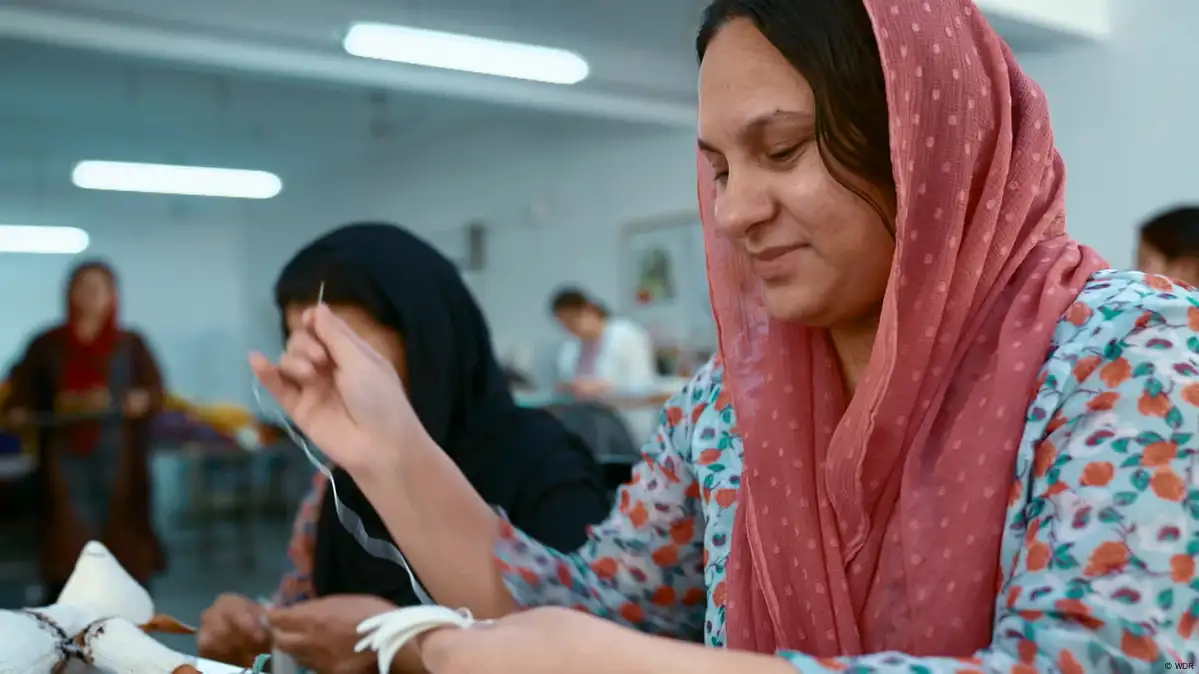
In the heart of New Delhi, a quiet revolution is taking place—one stitch at a time. Afghan refugee women, many of whom fled the Taliban regime, are transforming fabric scraps from local textile factories into beautiful handmade crafts. These women, like Salima Hakimi, arrived in India with little more than their skills and determination. Thanks to the vision of designer Iris Strill and the founding of SilaiWali—a social enterprise meaning “the seamstress”—these women have found a way to earn a living, preserve their cultural heritage, and regain a sense of purpose.
Empowering Women Through Sustainable Handicrafts
SilaiWali began with a simple idea: to create rag dolls from textile waste. The project quickly grew into a thriving business, showcasing the women’s talents in embroidery, crocheting, and sewing—skills passed down through generations. These handmade products, now sold internationally and promoted by the UN Refugee Agency, the UNHCR, have become symbols of resilience and sustainability. Keywords like Afghan refugee women, handmade crafts, sustainable fashion, and ethical business are central to this inspiring story. Despite cultural challenges and limited resources, the women built a supportive community and gained a measure of independence, proving that traditional skills can lead to modern empowerment.
or access to basic services, long-term stability is elusive. Over half of SilaiWali’s artisans have since resettled in countries like the US, Canada, and Australia, seeking a better future. While the company has trained new employees, the departure of so many skilled women has left a gap. Still, those who remain continue to dream—of education, independence, and a life where they can truly stand on their own feet. SilaiWali is more than a business; it’s a lifeline, a platform for change, and a testament to the power of creativity in the face of adversity.