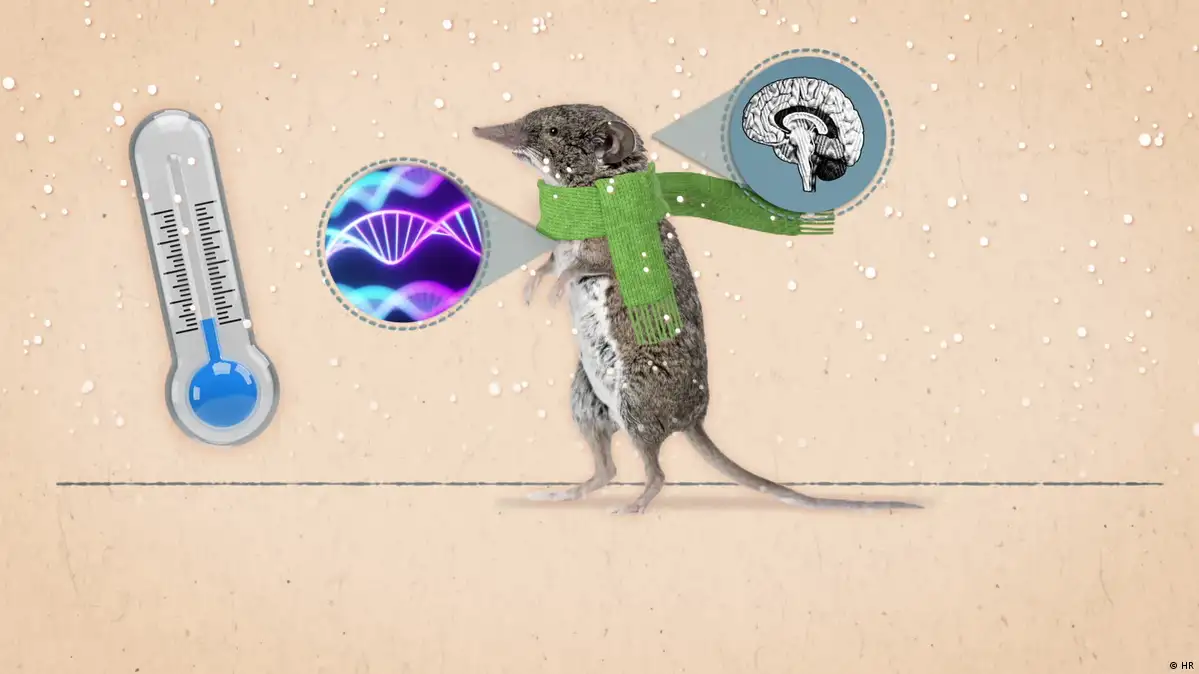
Animals possess remarkable abilities that often surpass human ones. The humble common shrew, for instance, does something amazing. In winter when prey is scarce, its brain, organs and bones shrink significantly. Extraordinary traits like this highlight the diversity and resilience of life on our planet, and might also spark innovations in medicine. Yet animals can also be unwitting carriers of pathogens that spark global pandemics. Viruses such as SARS, MERS, and various influenza strains originated in wildlife before jumping to humans. As human activity increasingly overlaps with natural habitats, the likelihood of such spillover events grows. Understanding both the wonders and the risks animals carry is essential for protecting both ecosystems and human health.
How shrews shrink and regrow to survive winter
The common shrew can shrink its body, brain, organs, and even bones in winter to save energy, then expand them back to normal in spring. Researchers have studied this rare adaptation using mazes, MRI scans, and genetic analysis. Except in tasks involving the sense of smell, shrews in winter perform nearly as well as those in summer. Scientists discovered that cells shrink without dying, stopping programmed cell death — a mechanism that could inspire future treatments for neurological diseases.
One Health: Pandemic prevention research in Africa
How do zoonotic diseases emerge—and how can we detect potential pandemics early on? Researchers at the Helmholtz Institute for One Health are showing why humans, animals, and the environment should always be considered as aspects of the same problem when it comes to infectious disease. They study the transmission pathways of viruses, bacteria and other potential pathogens.
As part of that process, they regularly collect samples from primates and small mammals in Taï National Park, which is located in Cote d'Ivoire (Ivory Coast). This research has for instance provided compelling evidence of how the Mpox pathogen was transmitted from squirrels to apes, and how the small mammals act as a reservoir host for the virus.
But how can we prevent spillover pathogens from making the jump from animals to humans in the first place? Collaboration across different scientific disciplines is vital to identify risks and interrupt infection chains quickly and effectively. The One Health project in Côte d’Ivoire has been designed serve as a model for other regions around the world.
Why humans can't fly like birds
Birds can fly thanks to ultra‑light skeletons -- often with hollow bones -- and a respiratory system that can account for up to 20% of their total body weight. Their large flight muscles and adjustable feathers are also able to create lift and thrust. Because humans lack these evolved traits, true bird‑like flight isn’t really possible. With help from technology like wingsuits, however, we've come a llittle closer to the ancient dream.
Crow intelligence sets the stage for a remarkable friendship
A crow in Frankfurt forms an extraordinary bond with a hospital employee who once fed it at home. The bird recognized him, followed him to work, and now visits his window daily for nuts. Ornithologist Bernd Petry explains that crows are highly intelligent, able to recognize individual human faces and build lasting social connections. This unique friendship may last as long as the crow lives—up to 15 years.