Asifa Akhtar on epigenetics and closing the gender gap
This browser does not support the video element.
The study of epigenetics is opening new doors in therapy for genetic disorders. It can have a tremendous impact on how diseases like cancer and even developmental conditions are treated.
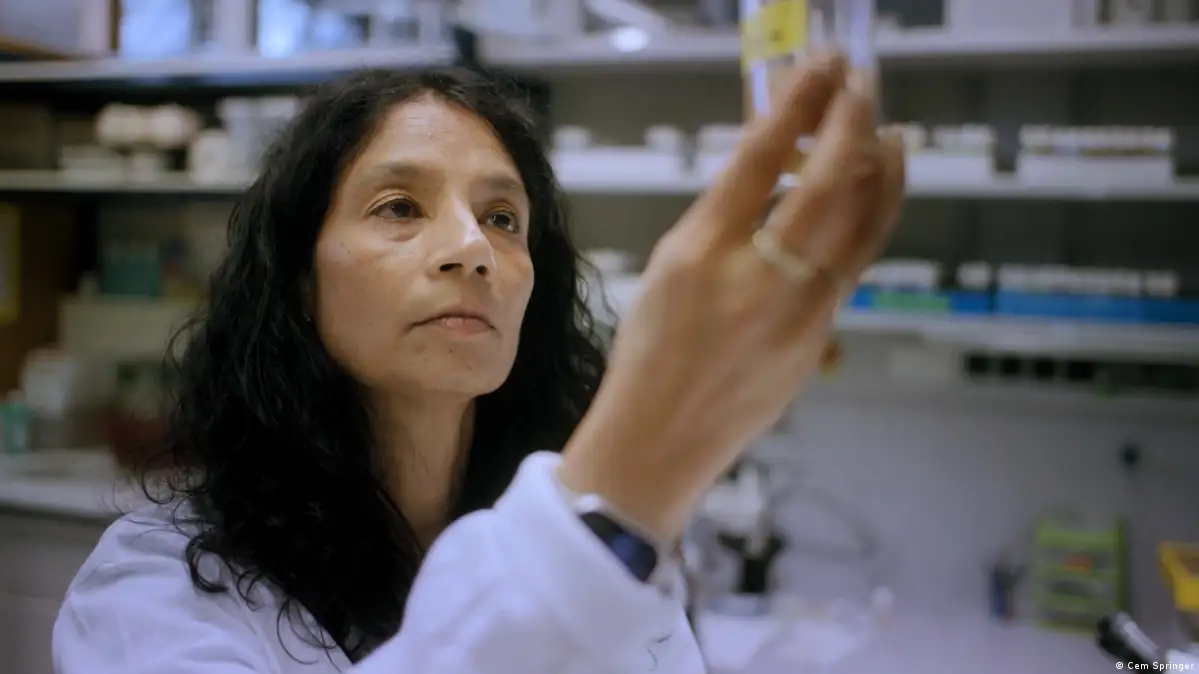
Asifa Akhtar, vice president of the Max Planck Society and director at the Max Planck Institute of Immunobiology and Epigenetics, is among the scientists addressing both scientific and structural challenges in research in this field.
Born in Karachi, Pakistan, and raised in France and the United Kingdom, Akhtar built a career in epigenetics — the study of how gene activity is influenced by behavior and environment.
Beyond her scientific work, Akhtar speaks about the barriers facing women in science, from underrepresentation to the pressure of visibility. She advocates collaborative leadership and inclusive research environments — underscoring that advances in science and advances in gender equality go hand in hand.