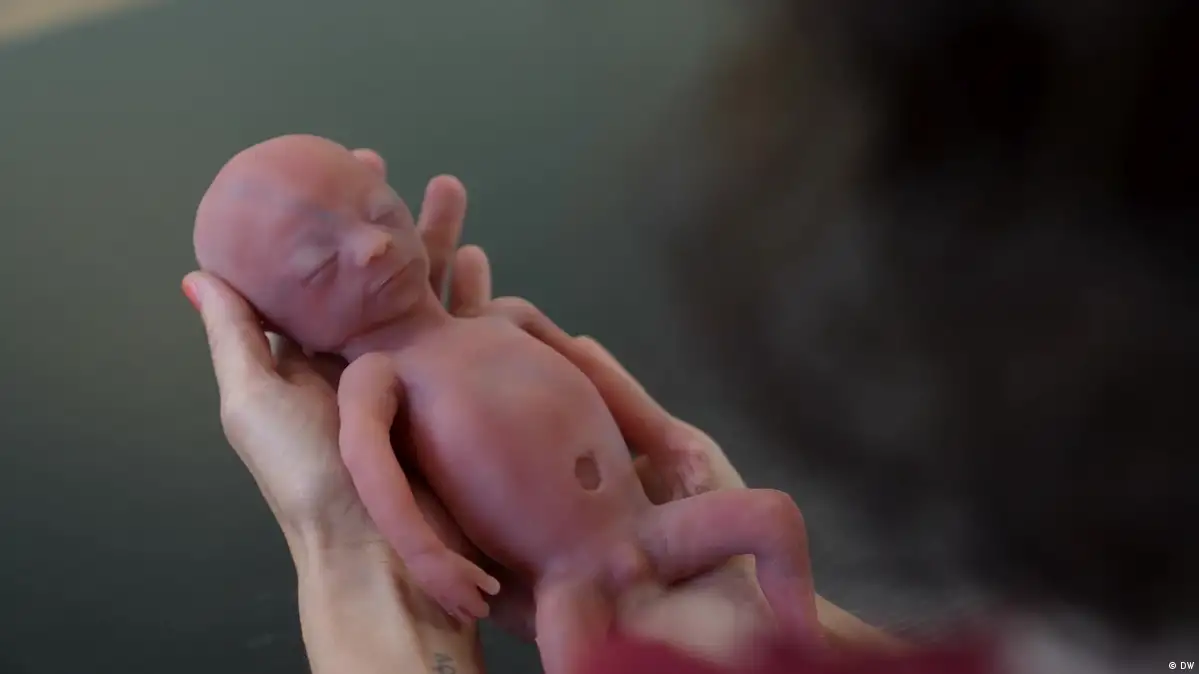
Globally, one in 10 babies are born preterm, which means before week 37. Many face long‑term health challenges, from developmental delays to vision, hearing or breathing problems.
Survival rates depend on place of birth
And there is a dramatic difference in survival rates among premature babies depending on where they are born. In low‑income countries, more than 90% of extremely preterm babies don’t survive, while advanced neonatal care means that figure is lower than 10% in high‑income settings.
Special treatments in NICUs (Neonatal Intensive Care Units) can save preterm babies from dying, but those born before 28 weeks are especially fragile. Artificial wombs could serve as a bridging technology, giving these tiny infants the extra weeks they need in a womb-like environment before being transferred to conventional incubators.
What is the current state of research?
And how could ectogenesis — the idea of gestating a human entirely outside the body — reshape society? With technology maturing and ethical and commercial questions growing louder, now is the time to take a closer look beyond the hype or dystopian sci‑fi.
For more content like this, follow this link.