Blood, sweat, and sugar — part 1
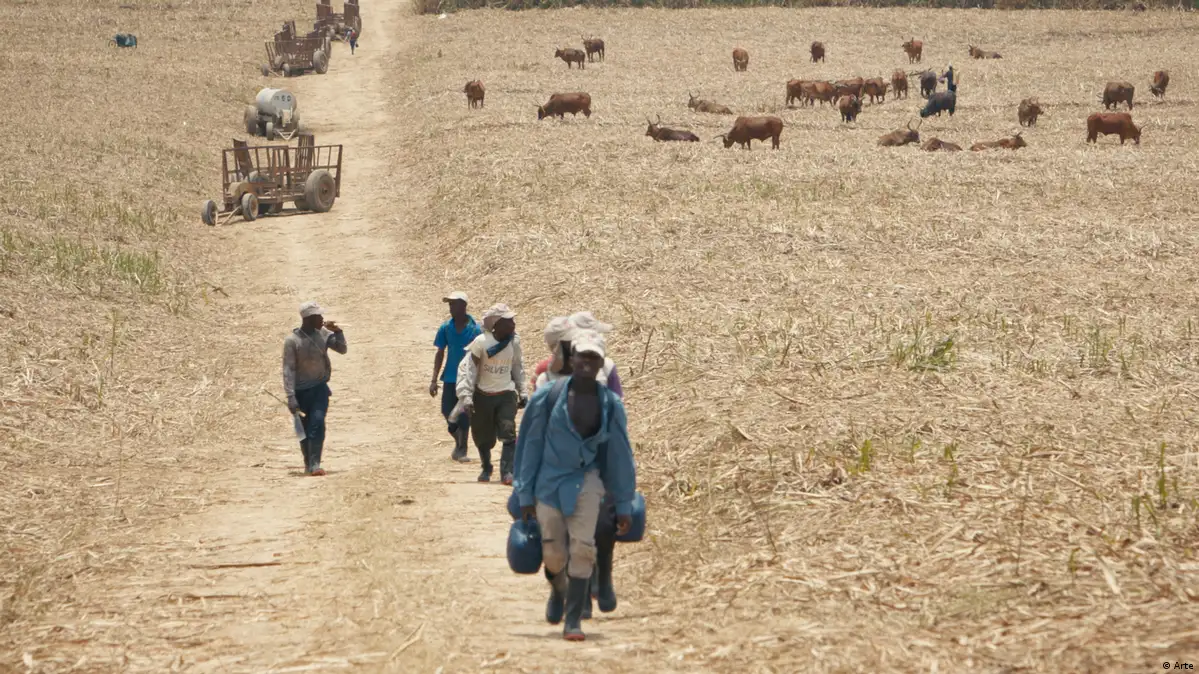
This browser does not support the video element.
Sugar and its role in the conquest of the Americas
Anyone who wants to tell the story of the conquest of America cannot ignore sugar. At the same time, the history of sugar cannot be told without considering the intertwining of slavery, colonialism, and trade. From the beginnings of colonization in the 15th century to the Industrial Revolution in the 19th century, sugar contributed to Europe's prosperity — but at a high price. Namely, the enslavement of the indigenous peoples in the Americas and, later, of numerous peoples in Africa.
Slavery, plantation economies, and the rise of the US sugar industry
Of the many millions of Africans who were deported and enslaved, more than half had to work on sugar plantations. The gradual abolition of slavery in the 19th century weakened the previously extremely profitable sugar industry. However, the industry persevered, inventing new models of exploitation and serfdom. At the end of the 19th century, the sugar industry was booming. It was closely linked with US expansionist policy, and the country's rise to superpower status. Large companies controlled cultivation areas, relied on cheap labor, and in some cases interfered heavily with local ecosystems. The US secured political and economic influence in regions such as Hawaii, Puerto Rico, and Cuba, where sugar became a significant export commodity. From the 1950s onwards, sugar cane production in these areas came under increasing pressure, partly due to growing competition from European beet sugar. However, the economic decline did not mean a fundamental improvement in living conditions for many people in the Caribbean.
Contemporary criticism and calls for responsible sugar production
Even today, sugar production is subject to criticism: in some regions, there are continuing reports of problematic working conditions and environmentally harmful cultivation methods. In countries such as Brazil, Cuba, the Dominican Republic, and the US state of Florida, civil society groups, trade unions, and individuals are campaigning for better labor and environmental standards. The question of what socially and ecologically responsible sugar production might look like remains relevant today.
The story continues. For part 2 of this documentary, follow this link