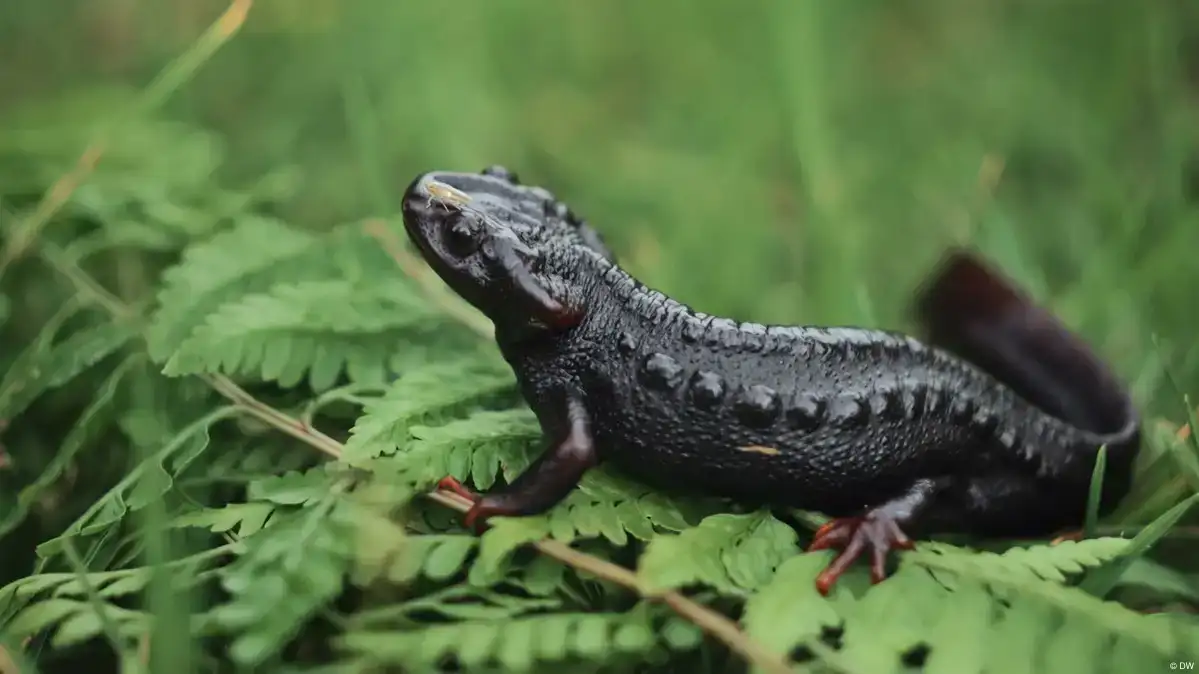
In the Darjeeling Hills, Himalayan salamanders — ancient "living fossils" and indicators of ecosystem health — are under threat as wetlands disappear, tourism expands and habitats are disturbed.
Conservationist Barkha Subba is working with villagers, authorities and researchers to protect breeding grounds, such as the ponds in the village of Majhidhura. Now tourist access is restricted here during breeding season.
Meanwhile, local "salamander guardians" are restoring wetlands — and not just saving the rare amphibian. Wetlands capture monsoon rain, recharge streams and groundwater, and provide year-round water to downstream villages.
With most of Darjeeling's wetlands already lost to development, conservationists have warned against unchecked tourism and commercialization. Yet community-led conservation, tea garden initiatives and "mindful tourism" offer hope not only for restoring salamander habitats, but also securing the region's water future.