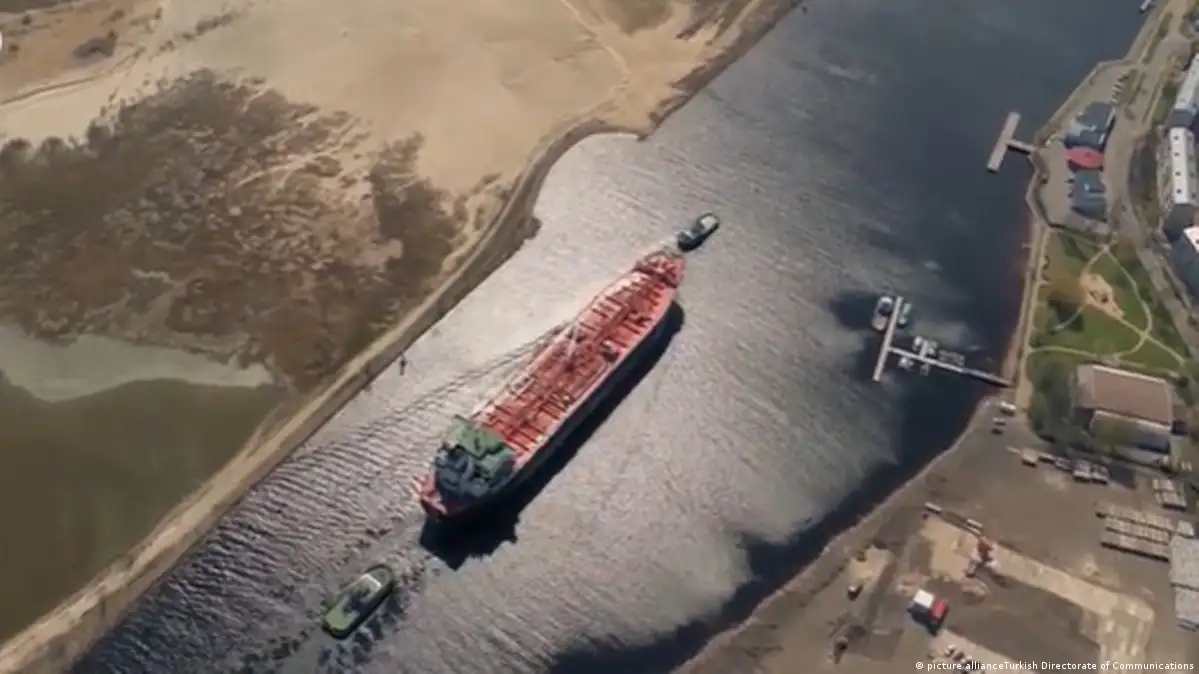
Canals and waterways are vital to global trade, moving over 80% of the world’s goods and connecting major markets through strategic passages like the Suez Canal and Panama Canal. Yet massive infrastructure projects — from Turkey's controversial Istanbul Canal to France's Seine Nord Europe Canal — reveal the environmental and social costs of expanding artificial waterways.
New canals can displace communities, reduce farmland, and disrupt ecosystems, while climate change intensifies challenges such as drought in Panama and water scarcity in megacities like Istanbul. Recent projects attempt to mitigate damage through ecological restoration, wildlife corridors, and sustainable design, but concerns remain about long‑term water use, carbon emissions, and the balance between development and conservation.
As global demand for efficienttransport grows, the future of canals depends on whether countries can modernize existing networks responsibly and align engineering with environmental protection.
This video summary was created by AI from the original DW script. It was edited by a journalist before publication.