SocietyGermany
Can money transform a former coal-mining region in Germany?
This browser does not support the video element.
Anja Koch in Saxony-Anhalt, Germany
August 15, 2026Advertisement
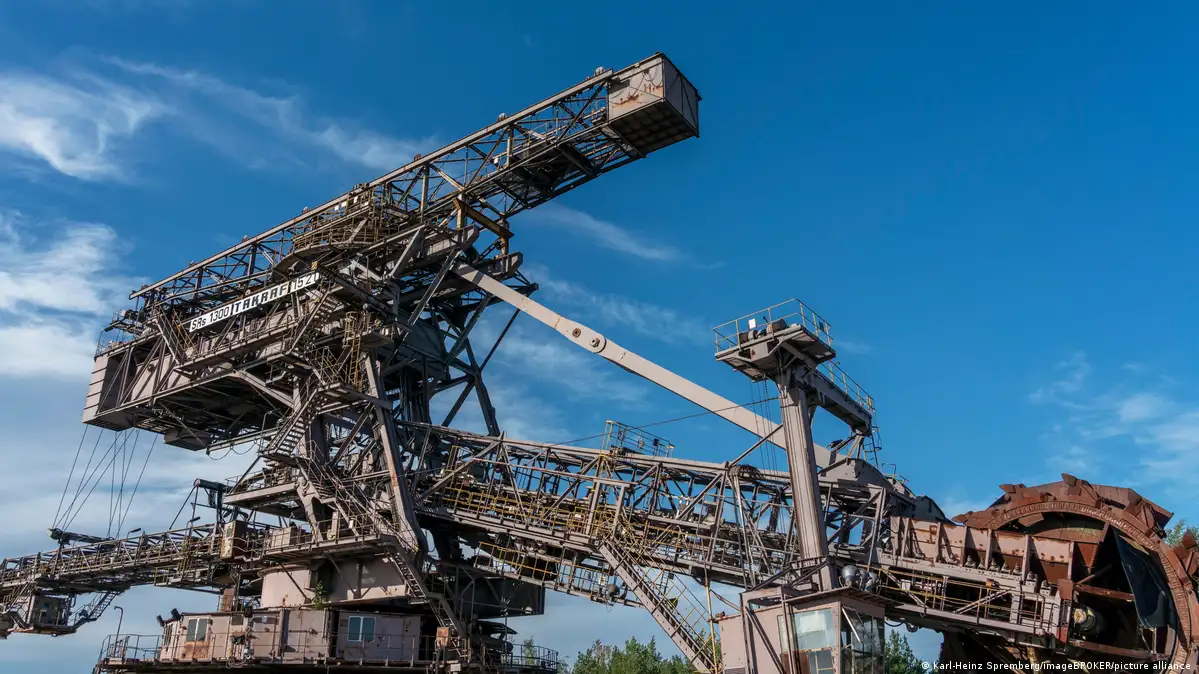
For more than a century, coal mining shaped eastern Germany, often at the cost of entire villages such as Grossgrimma, whose residents were relocated before mining plans were ultimately abandoned.
As Germany phases out coal by 2038, Saxony-Anhalt faces uncertainty over jobs, identity, and economic prospects. More than €5 billion ($5.8 billion) in transition funding is financing projects like a new education campus, but many locals remain skeptical, questioning how the money is spent and whether it will create lasting opportunities.
Despite concerns, some residents remain hopeful that innovation and younger generations can drive the region's future.