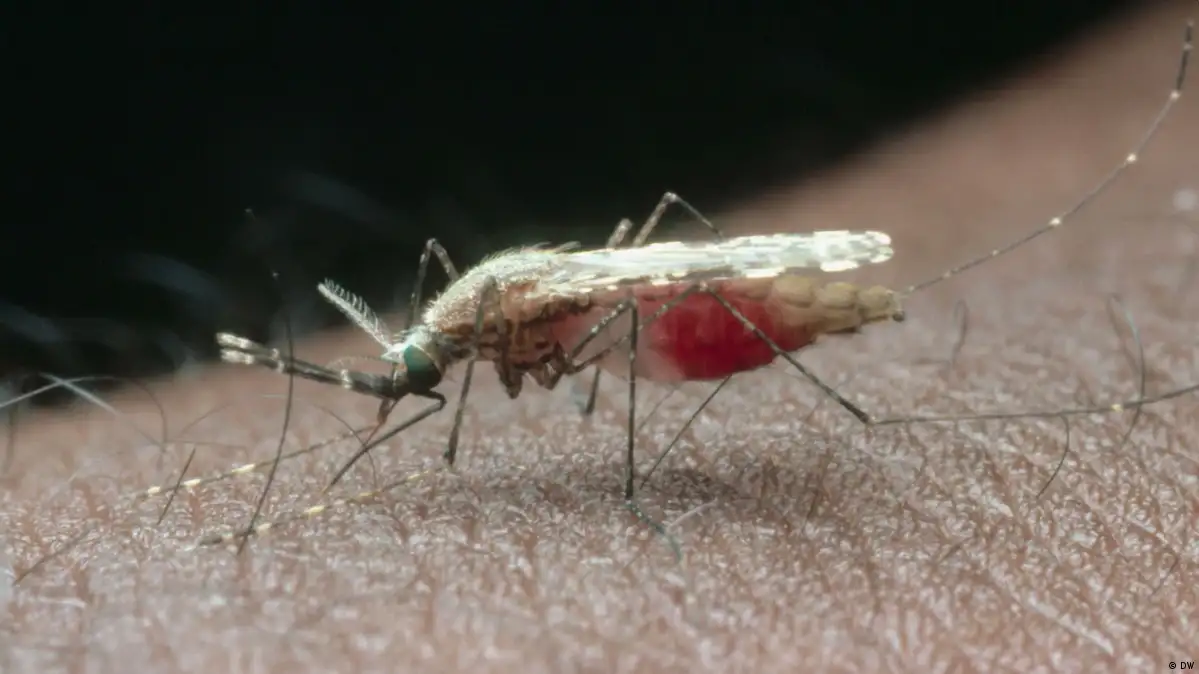
Malaria remains one of Africa’s deadliest diseases. A single bite from an infected Anopheles mosquito can transmit the parasite that causes the illness. While improved healthcare helped reduce malaria cases over recent decades, recent figures show infections are rising again. Researchers warn that climate change may be affecting transmission patterns across the continent. Drier conditions in parts of the Sahel can reduce breeding sites, but warmer and wetter weather in other regions may boost mosquito populations. Higher-altitude areas previously considered too cold for mosquitoes could also face greater risks. Scientists also caution that floods and storms can disrupt treatment, damage health infrastructure and leave more people exposed to infection, increasing the burden of malaria.