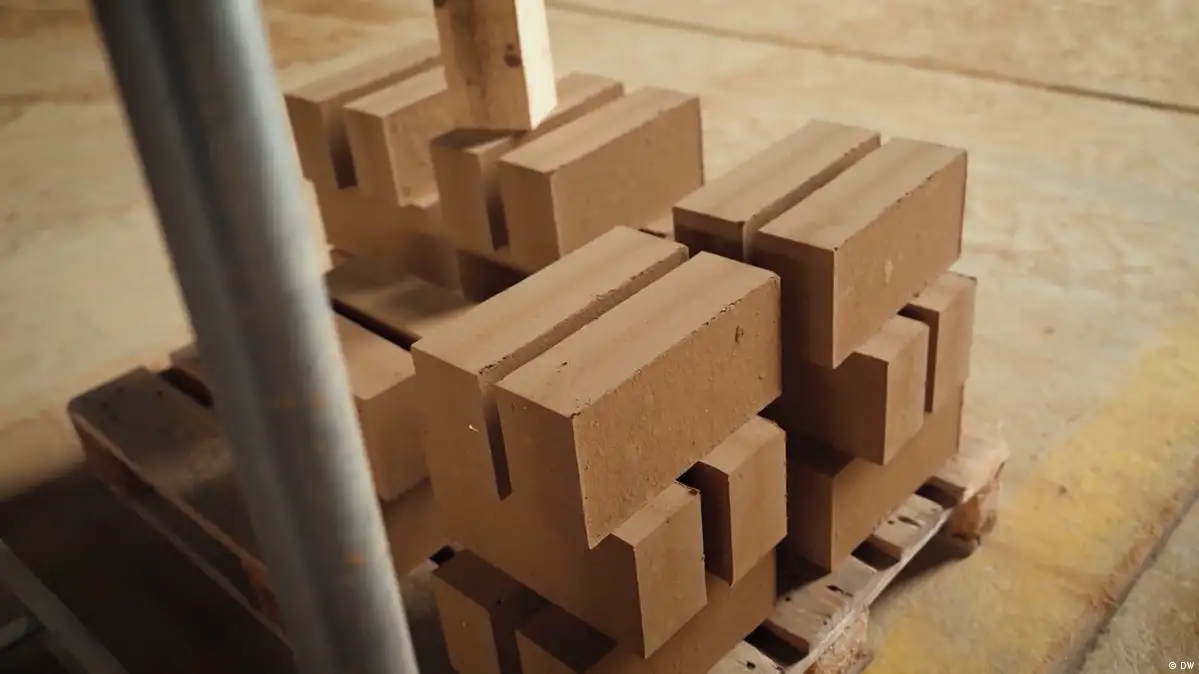
How can action on climate be implemented in sustainable, socially responsible ways? A range of ongoing projects provide different answers. In Berlin, low carbon bricks are being produced from excavated soil as an alternative to conventional building materials. Researchers at the Technical University of Munich have also shown that urban greenery - especially trees - captures more CO₂ than previously thought. In Nuremberg, the introduction of a so called superblock aims to reduce car traffic and reclaim public space in one of the city’s neighborhoods. Meanwhile, Germany’s energy transition is causing conflict in the German state of Brandenburg, where planned solar parks face opposition from farmers and conservation groups. Together, these examples show that technological innovation alone is not enough. Scientific evidence, public acceptance, and a fair balance between climate protection, nature conservation and land use are equally important.