Hundreds of tons of radioactive debris are still stored at the Fukushima plant today. What does this region look like now? Is it habitable? And what conditions do the people who choose to live there face? Cécile Asunama Brice, sociologist and researcher at the Tokyo office of the French National Center for Scientific Research (CNRS), took a film crew to Route 114. The road runs through the contaminated zone, stretching from an area near the nuclear plant to the Fukushima Prefecture’s northwest. For a long time after the disaster, the road remained closed. Still today, the route is lined with abandoned villages and thousands of bags of contaminated soil. It passes through forests where the soil will remain polluted with radionuclides like cesium 137 for centuries to come.
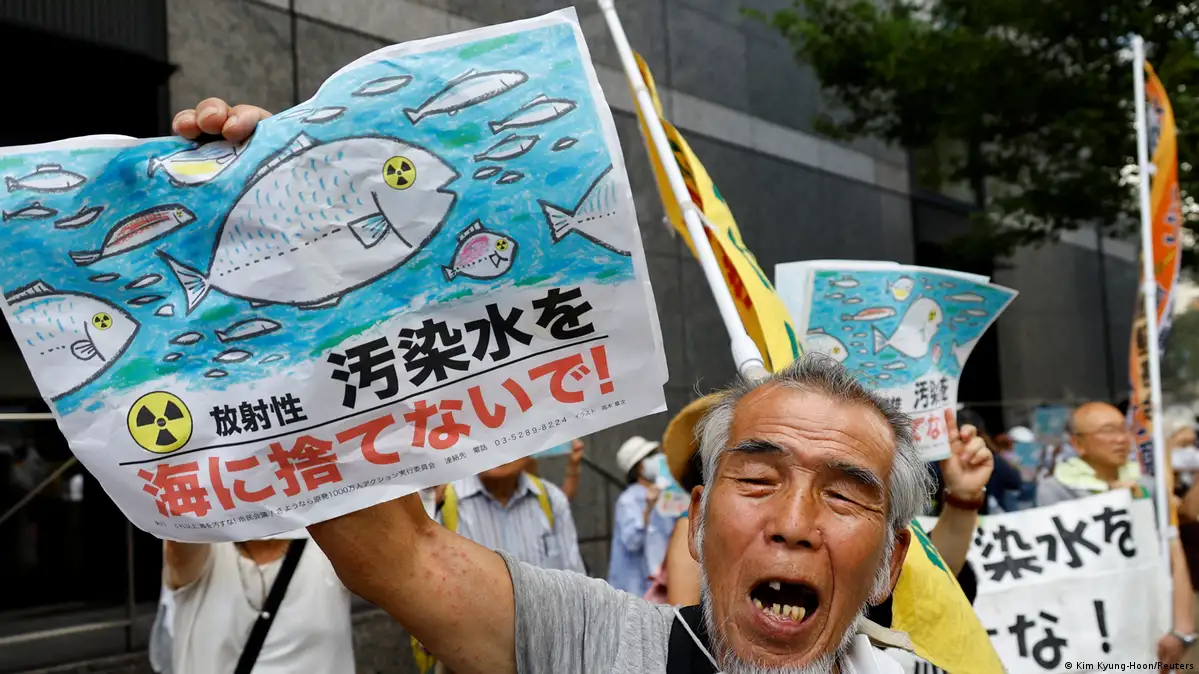
Some of the people who live here have been fighting against government disinformation since the disaster. The route ends at the Pacific Ocean near the Fukushima Daiichi power plant. There, tanks containing treated radioactive cooling water are being emptied into the ocean —despite opposition from the fishing industry and neighboring countries. Over 880 tons of radioactive debris still lie inside the damaged reactors. They pose an ongoing risk to the region — and it could take another four decades or more to decommission the plant.
For more documentaries from Close up, follow this link