Czech innovation could reduce animal testing in medicine
This browser does not support the video element.
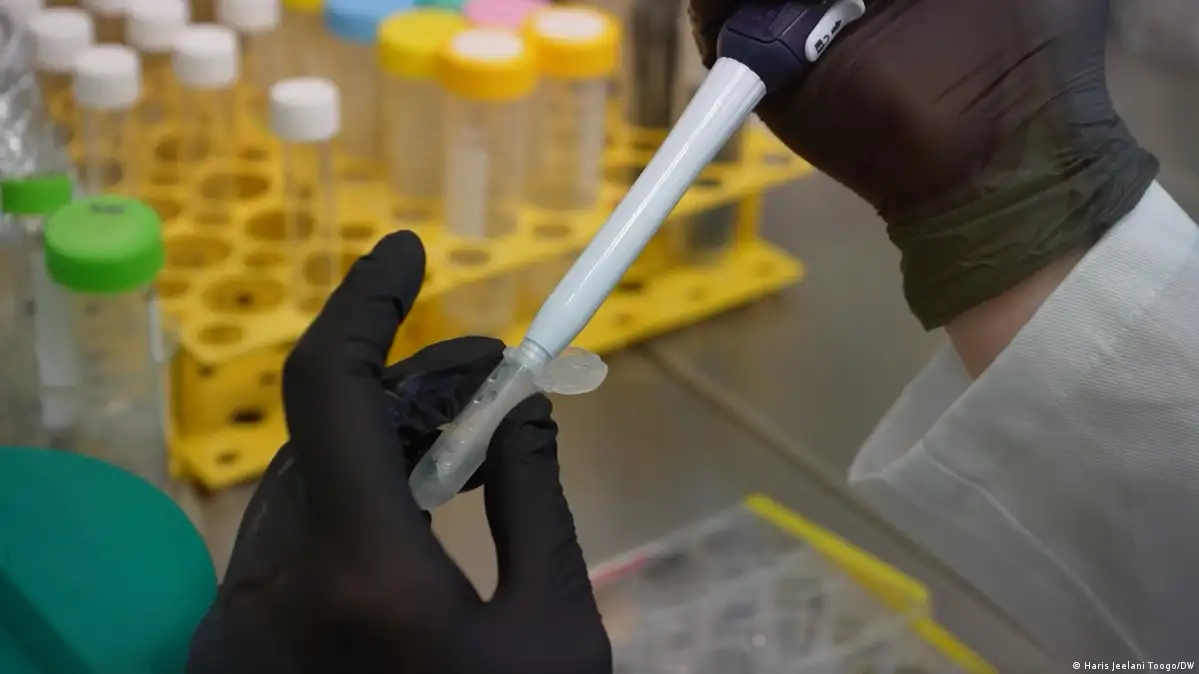
At Tomas Bata University in the city of Zlin in Czechia, researchers are cooperating with the Institute of Biophysics of the Czech Academy of Sciences on the development of a lab-grown model of the human small intestine that could transform how new drugs are tested.
Led by a team at the Centre of Polymer Systems, the project aims to create a human-based alternative to animal testing in early-stage drug development. The research is supported by funding to the tune of approx. 11 million Czech crowns (€450,000/$520,000) from the Czech Science Foundation.
The aim is not just to build a model, but to understand how materials and living cells work together — an understanding that could lead to a realistic intestinal model by 2027.
If successful, the model could provide a more accurate and ethical way to test new drugs, with potential applications across pharmaceutical research. For patients, this could mean safer treatments, developed using systems that better reflect the human body.