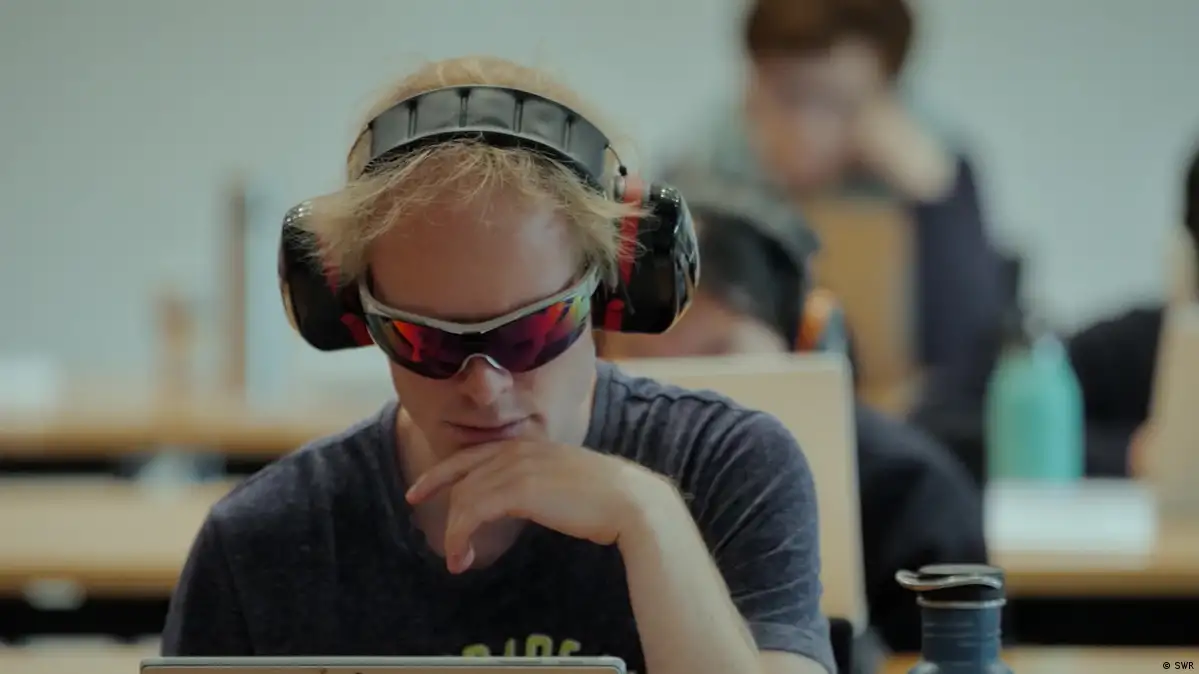
Our memory also makes us who we are. The experiences and feelings we’ve stored, the knowledge we’ve retained - all of this connects us to ourselves and our past. But how can we improve our memory and make it more efficient? How can we keep it fit and healthy? What happens when it fails us? This documentary follows people who are connected in different ways to the topic of "memory". In her late 40s, Nicole Adam lost her memory after suffering several strokes. She’s determined to regain it - with occupational therapy and VR glasses. On her road to recovery, she also asks herself the question: Who am I if I don't know who I used to be? As her story shows, our memory is both vulnerable and adaptable. For actor Henriette Hölzel, on the other hand, learning large amounts of text for roles at the Dresden State Theatre is part of everyday life. She has eight different roles at her fingertips at the same time. She reveals how she manages to keep complex dialogues in her head. Johannes Mallow, multiple German champion and two-time world champion in memory sports, also explains how he streamlines the process of information recollection. Using methods such as the "mind palace", he takes us to Magdeburg Cathedral to show how he memorizes his appointments so that he never forgets them. But it's not just training that keeps our memory fit. In fact, forgetting is also important for keeping our memory healthy. Neuroscientist Andreas Papassotiropoulos explains that forgetting is an active process that helps us distinguish between what’s important - and what’s not. To benefit our memory, he recommends sleep and exercise as well as art and culture. Heidelberg neurobiologist Prof. Hannah Monyer makes it clear that our memories have not only shaped our past, but also shape our future: what we remember today influences who we will be tomorrow. A film that tells stories of learning and forgetting, presents exciting research findings and shows how we can strengthen our memory so that it stays with us throughout our lives.