The EU‑Mercosur trade deal is reshaping trans-Atlantic trade, bringing new opportunities and fresh uncertainty for producers on both sides.
Under the agreement between the European Union and Mercosur countries Argentina, Brazil, Paraguay and Uruguay, beef imports into the EU will be capped despite the Mercosurbloc's role as a major global exporter. Supporters in South America say the deal opens broader duty‑free access for EU industrial goods, while Europe expects major gains for sectors such as automotive manufacturing, mechanical engineering and chemicals.
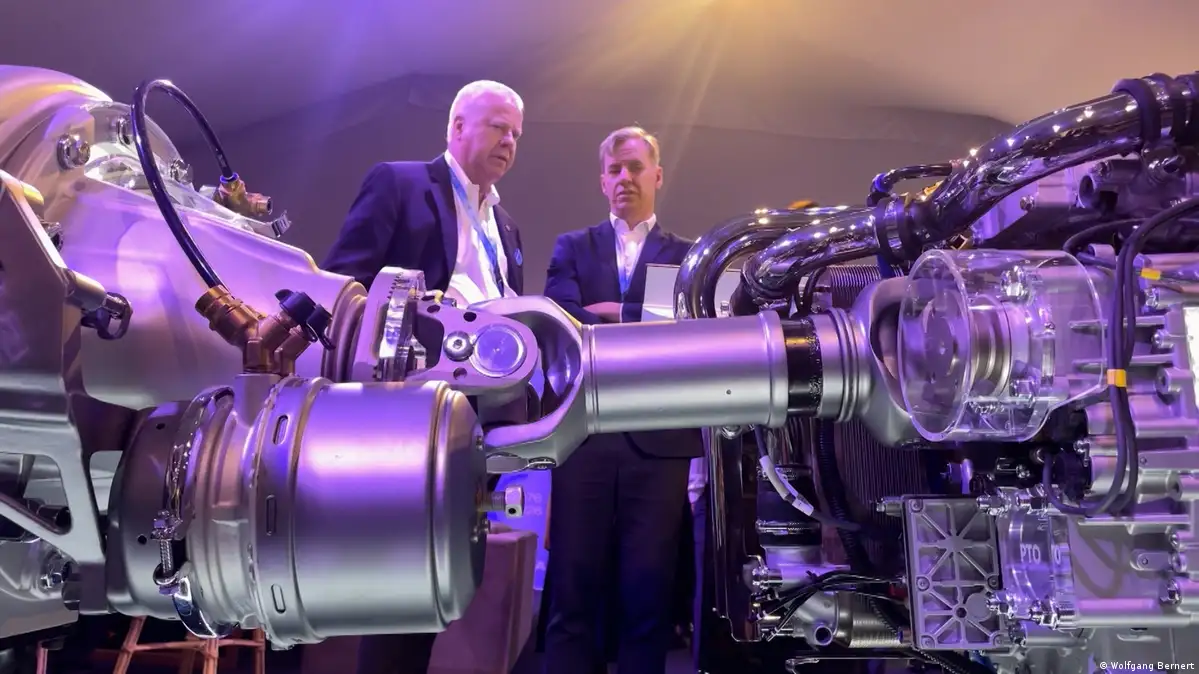
German industry groups have largely welcomed the agreement, citing market expansion and more resilient supply chains. In Latin America, manufacturers like truck maker Scania see new export potential as tariffs gradually fall.
But farmers remain divided: while cattle producers have praised the pact, dairy farmers fear mounting competition as tariffs on European cheese are phased out. The agreement highlights the trade‑offs between industrial growth, agriculture and global competition in one of the world's most ambitious free‑trade projects.