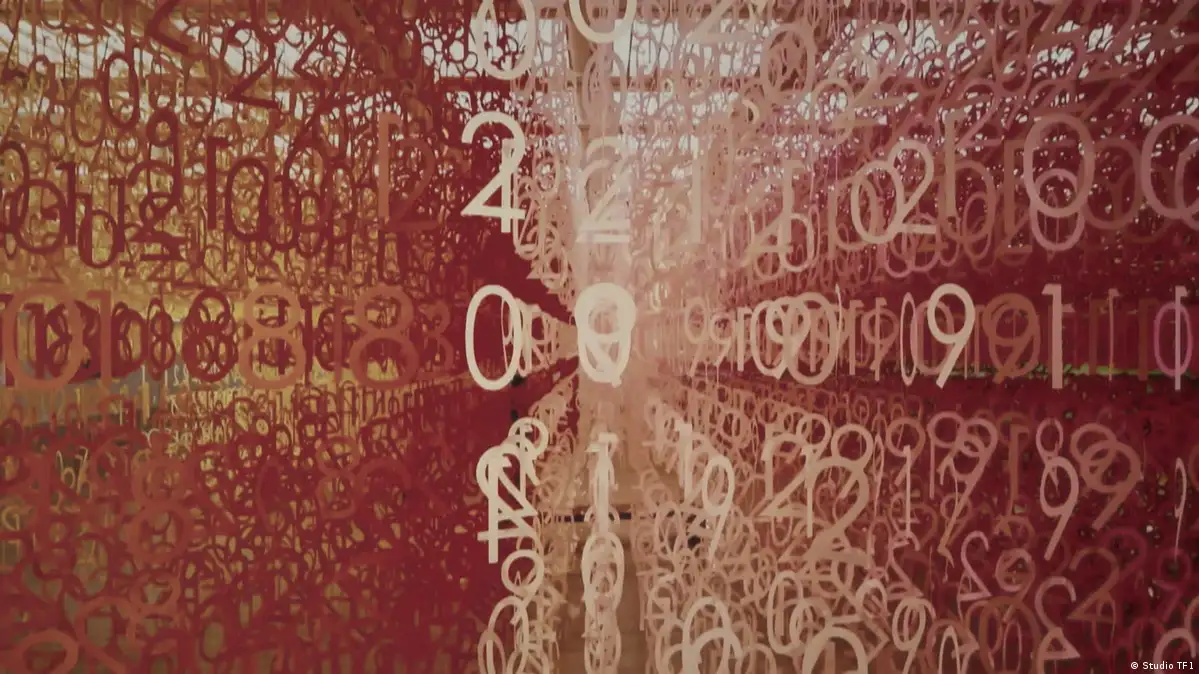
The Western world calls them "Arabic numerals," while in the Arab world, today's European notation is thought of as being Western. What is "Arabic" about the symbols that traveled from India to Europe and on to the rest of the world?
Following the trail of our numbers leads us to Baghdad. There, in the eighth century, a scholar named al-Khwarizmi — latinized as "Algorismi," later to be found in the word "algorithm" — helped spread Indian numerals. He would become known as the father of modern algebra. The "Arabic" numerals commonly used in Europe today derive from another variant, known as "Ghubar" — Arabic for "dust." That had emerged from the so-called "dust tables" used by Maghrebi merchants around the Mediterranean.
From Europe to America, and from the dawn of modern science to the computer age — the fascinating history of these ten small digits is enmeshed with the stories of the people who invented, spread, adopted, imposed and scrutinized them. Little by little, they have permeated every area of our lives. With the computer, numbers became the code of the modern age — and the only truly universal language.