Julia Mielke
October 16, 2025Advertisement
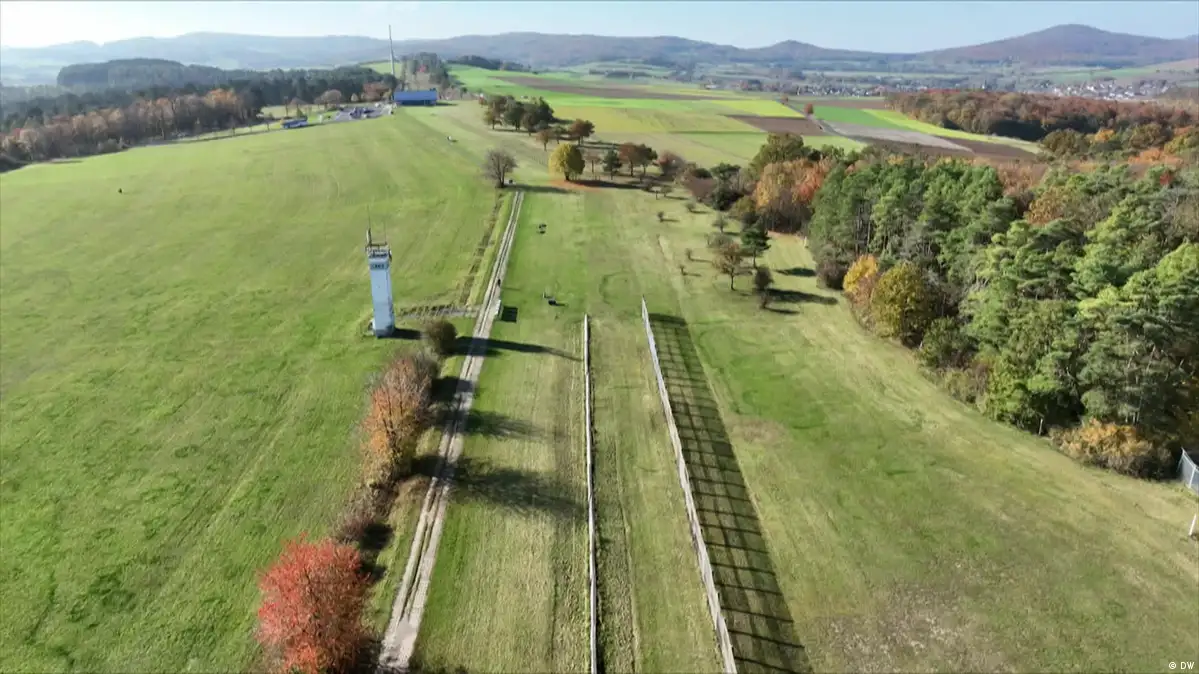
What if nature could thrive without human interference? Along the former Iron Curtain in Germany, a remarkable transformation has taken place. Previously a no-man’s land for forty years during the Cold War, the 1,400-kilometer “death strip” has become a biodiversity hotspot known as the Green Belt. When the border opened in 1989, conservationists quickly moved to protect the border zone. Now they’ve documented healthy populations of insects like the endangered wart-biter. A 2025 survey aims to strengthen the case for UNESCO World Heritage status for the area. With genetic data and public engagement, this project highlights the global importance of preserving untouched ecosystems.