Goodbye, Germany - The Polish workers heading home
This browser does not support the video element.
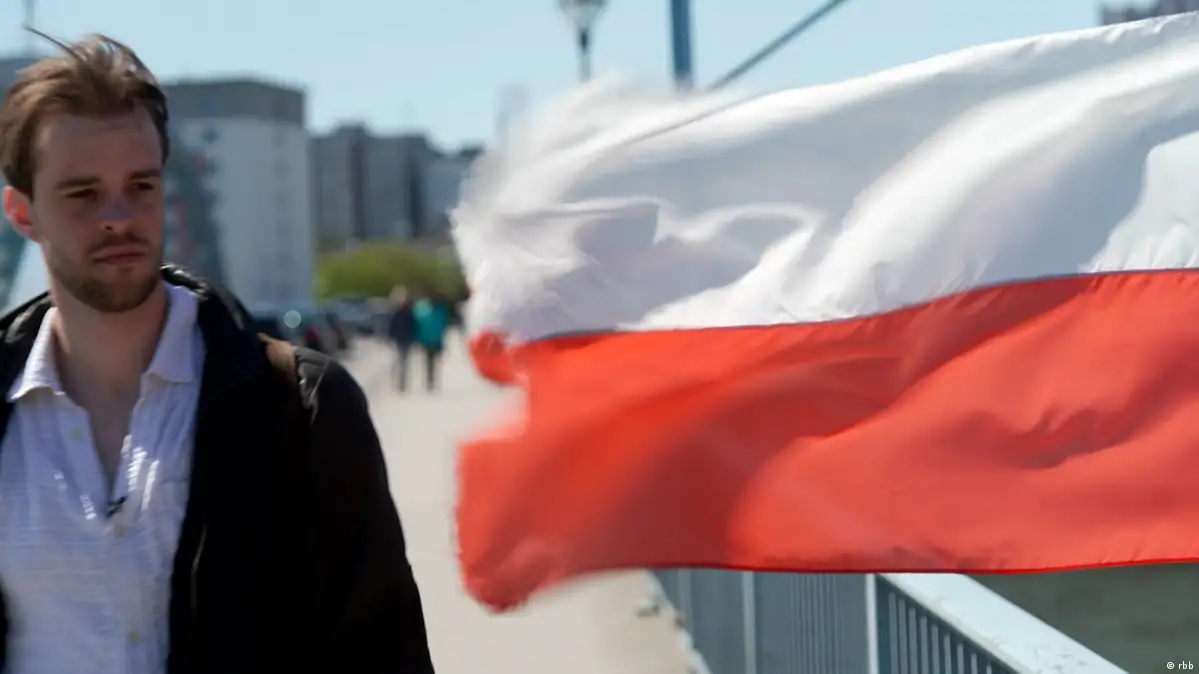
Philip Panek chose his university with a goal in mind: the European University Viadrina in Frankfurt on the Oder, right on the German-Polish border. When he began his studies, he planned to stay in Germany and build a career there. Now, he's planning to complete his legal traineeship in Poland. There, he says, he has more than just family and friends waiting for him — he also sees new economic opportunities. Michael Sünkler can also see that Germany is losing its appeal for many Polish workers. The managing director of a transportation company has many employees from Poland. In recent years, however, many have left. For him, the departure of skilled Polish workers is not an abstract political issue — it's a tangible economic problem. One of those employees is Tomasz. The truck driver has worked in Berlin for over ten years, but rising living costs are taking their toll. Rent and groceries have become significantly more expensive, he says. As soon as his daughter finishes school, he plans to return to Poland with his family. Kamila Gierko and her husband, Zbyszek Perzyna, have already done just that. Six months ago, they moved from Berlin to Szczecin. For years, Germany offered them favorable conditions for self-employment. But bureaucracy and a lack of digital services, along with high taxes and social contributions were increasingly weighing them down. Their experiences in Poland have been very different: More administrative processes are digital, and the tax burden is lower. Germany, they say, has lost its momentum. This report follows people whose real-life decisions reveal more than statistics can. It profiles a law student who wants to start a career and a family in Poland, an entrepreneur fighting to retain every Polish employee he can, a truck driver reassessing the cost-benefit analysis of his life, and a couple who have already moved back to their home country.