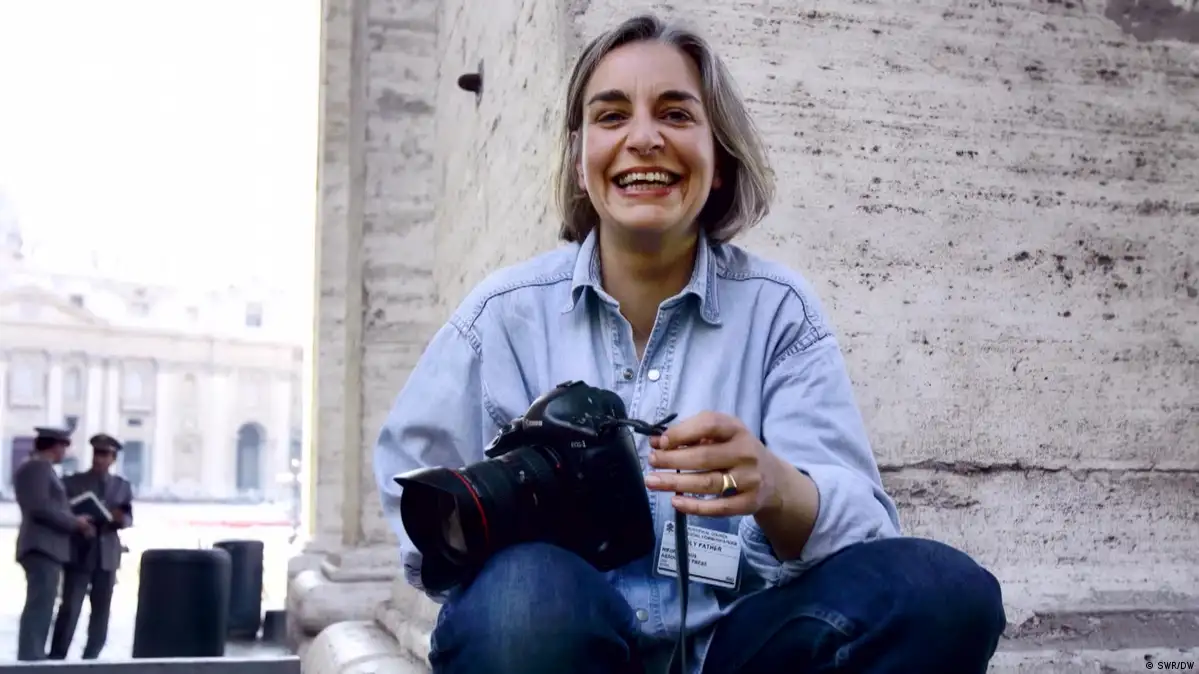
In 2005, German photojournalist Anja Niedringhaus and a team of colleagues from the Associated Press won the Pulitzer Prize, journalism's highest honor. She became well known as a woman working in a male-dominated field, although she never liked to think of herself in those terms. Niedringhaus was passionate about passing on her knowledge to the next generation. While on assignment overseas, she mentored other photojournalists, sometimes staying in one place for months at a time. Rather than seeing herself as a "war photographer," Niedringhaus focused on the effects that conflict has on people. Even amid the most horrific violence, she sought to highlight aspects of humanity, creating images that transcended the events of the day. This approach was precisely what set Niedringhaus apart and why her work remains relevant still. On 4 April 2014, Niedringhaus was killed in the Afghan province of Khost. She was traveling in a car with her friend and colleague Kathy Gannon when a police officer opened fire on them. Gannon survived with serious injuries. The film shows how investigators long dismissed the shooter as a lone perpetrator, despite links between the crime and the highest levels of Afghan politics. Why were aspects of the case ignored or covered up? Because they highlighted the failures of German authorities? Or because the killer was working for a terrorist network with which the West continues to cooperate in its fight against the Taliban?
For more on this series, follow this link