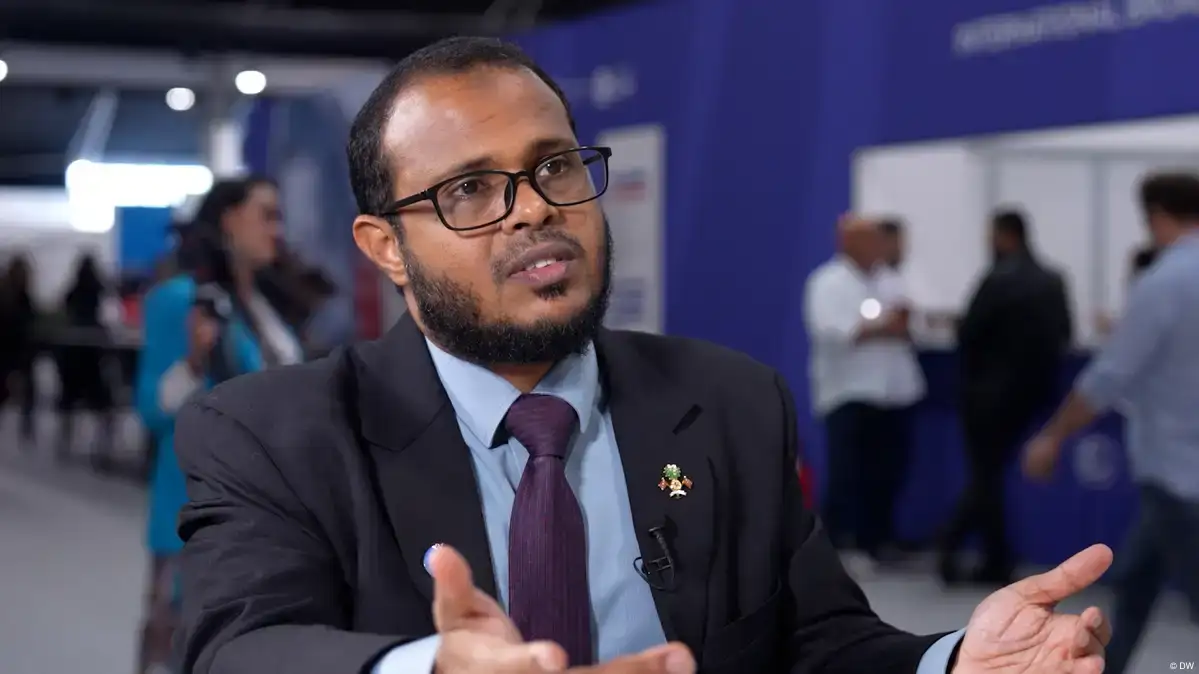
For the Maldives, climate change is already affecting everyday life. Heavy rainfall has forced people from their homes, warmer oceans are damaging coral reefs, and changes in fish stocks are putting pressure on the country's fishing industry. Rising sea levelspose another threat to the low-lying island nation. Meanwhile, global greenhouse gas emissions continue to rise, despite more than three decades of international climate negotiations.
At COP31 in Antalya, Turkey, the Maldives' climate minister Ali Sharif discusses why progress has been so slow, what really happens during climate negotiations, and why moving away from fossil fuels is not as straightforward as it might seem. For island nations like the Maldives, switching to renewable energy comes with practical and financial challenges. So what would it take to accelerate the transition? And can the UN climate process still deliver meaningful results?