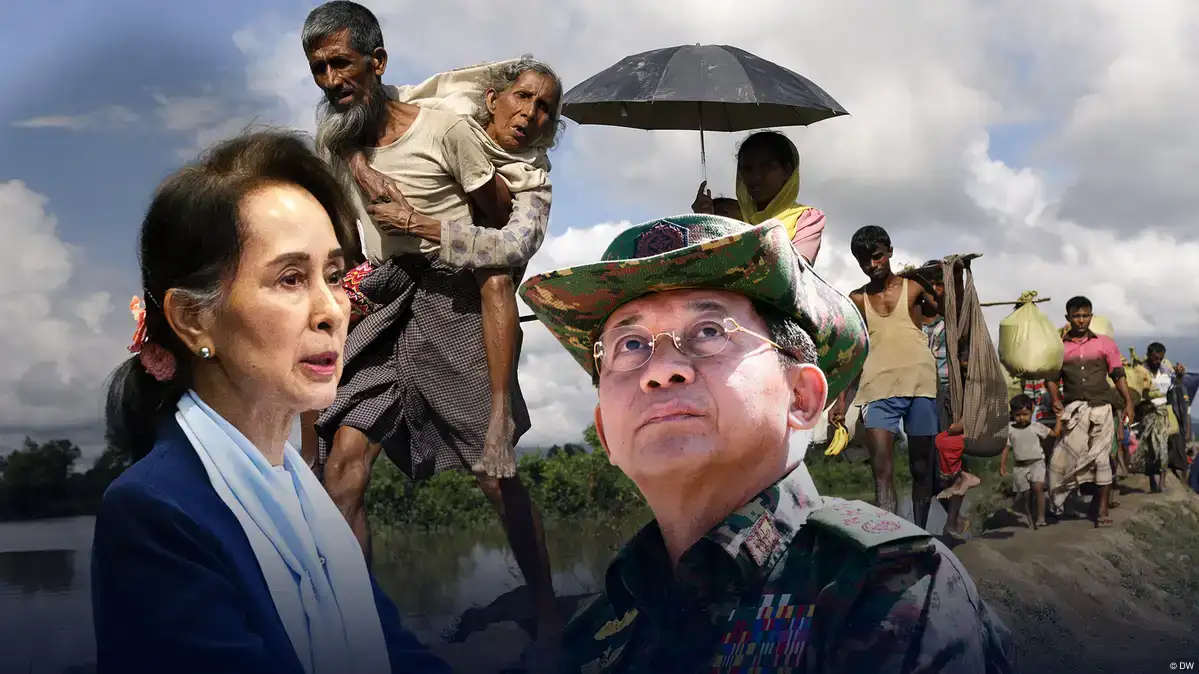
After years of legal arguments, evidence collection and delays complicated by Myanmar's 2021 military coup, the International Court of Justice has concluded that Myanmar committed acts of genocide against the Rohingya.
The practical impact of the ruling remains uncertain. The ICJ has no direct enforcement powers and relies on states and the UN Security Council to ensure compliance.
Nevertheless, the decision is expected to influence other genocide cases before international courts and could strengthen ongoing efforts to hold individuals accountable through criminal investigations, including in South Africa's genocide case against Israel over the war in Gaza.
For many Rohingya, the judgment represents long-awaited international recognition of their suffering. For international law, it may become a defining precedent in the interpretation of the 1948 Genocide Convention.