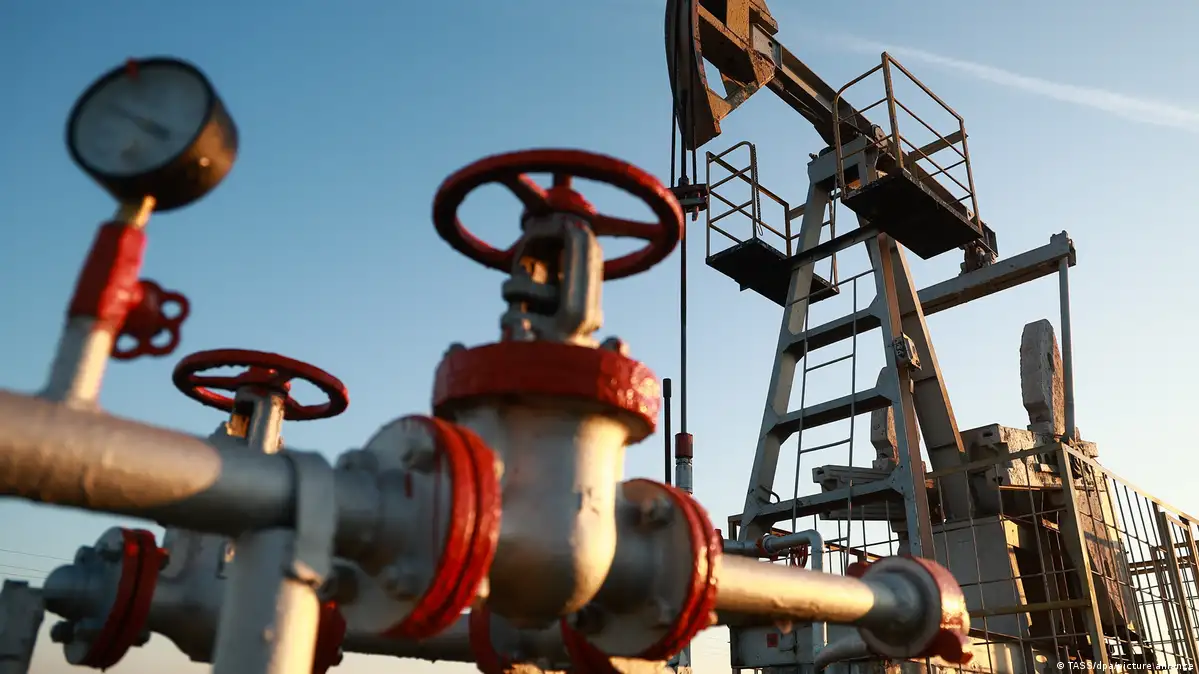
Oil is making a strong comeback as geopolitical agendas shape energy forecasts worldwide. OPEC, founded in 1960, predicts global oil demand will rise to 122.9 million barrels per day by 2050, while the International Energy Agency (IEA) expects a peak around 2030 followed by a decline. These conflicting projections underscore how energy outlooks have become political, influenced by climate policies and economic priorities. Under President Trump, U.S. energy policy has reversed green initiatives, accelerating drilling in New Mexico and halting offshore wind projects, while global shipping and petrochemical sectors continue to rely heavily on oil. Despite cheaper renewable technologies, rising demand in fast-growing economies like India and persistent oil use in transportation andaviation signal that fossil fuels will remain central to global energy for decades—posing serious challenges for climate goals.
This video summary was created by AI from the original DW script. It was edited by a journalist before publication.
For more like this, follow this link.