In 2018, Cape Town came within days of running out of water. Now South Africa is turning to nature to make its water supplies more resilient.
Advertisement
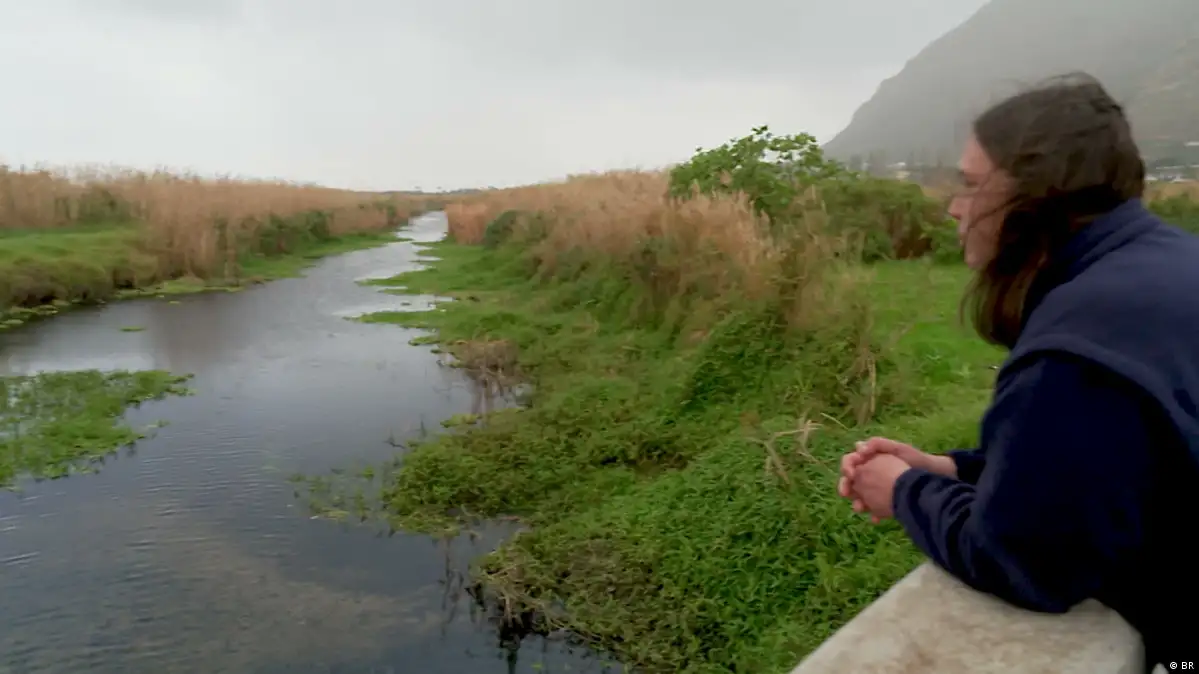
Cape Town, South Africa, was transformed by its 2018 water crisis. In the township of Masiphumelele, around 50,000 people live, many of them in poverty and with insecure access to water. One of them is Zoleka Havi, who is training to become a river warden.
The streets of the township show just how closely water, the environment and social challenges are interconnected. Waste pollutes water sources, while many families store water in buckets for emergencies. At the same time, innovative sustainable water management projects are taking shape across Cape Town. Retention basins collect rainwater, filter it through plants and help replenish groundwater. Experts see such projects as an important part of adapting to climate change and water scarcity.
River wardens also play a key role. They remove invasive plants from waterways, helping to improve water quality and strengthen natural ecosystems. For people like Zoleka Havi, the fight for water therefore means far more than protecting the environment: It creates jobs, opportunities and hope for a better future.
With predictions that Cape Town could run out of water in only a few months, residents are already facing tough restrictions. DW looks at how people are managing.
Image: Julia Jaki
Rain welcome
Another day of blue skies in Cape Town, where low rainfall and decreasing dam levels have left the city facing a severe water crisis. Strict water restrictions are in place, but the city may run out of water by April 2018.
Image: Julia Jaki
Every drop counts
A resident installs a rainwater tank at this property in central Cape Town. If the taps run dry, each citizen will be allocated 25 liters (approximately 7 gallons) of drinking water per day at demarcated collection points throughout the city.
Image: Julia Jaki
All dried up
The formerly green lawns on the Sea Point promenade are now covered with dry grass. Since mid 2017 there has been a prohibition on using drinking water for irrigation. To save groundwater reserves the city now also strictly discourages the use of boreholes to water lawns and gardens.
Image: Julia Jaki
Businesses get creative
This car wash in the suburb of Sunset Beach uses recycled grey water, stored in a tank, to clean customers' cars. Under the current restrictions commercial properties must reduce their water usage by 45 percent compared to 2015 or face fines.
Image: Julia Jaki
High demand for water tanks
Outside a large home improvement store in the suburb of Table View, the few remaining water tanks are marked as sold. Water usage is limited to 87 liters per person per day. With "Day Zero" looming, stores cannot keep up with the demand for water tanks and canisters.
Image: Julia Jaki
Pools filled with seawater
The public swimming pool at the Sea Point promenade is still up and running. The four pools have been filled with treated seawater from the Atlantic Ocean. To save fresh water the operators have closed the showers.