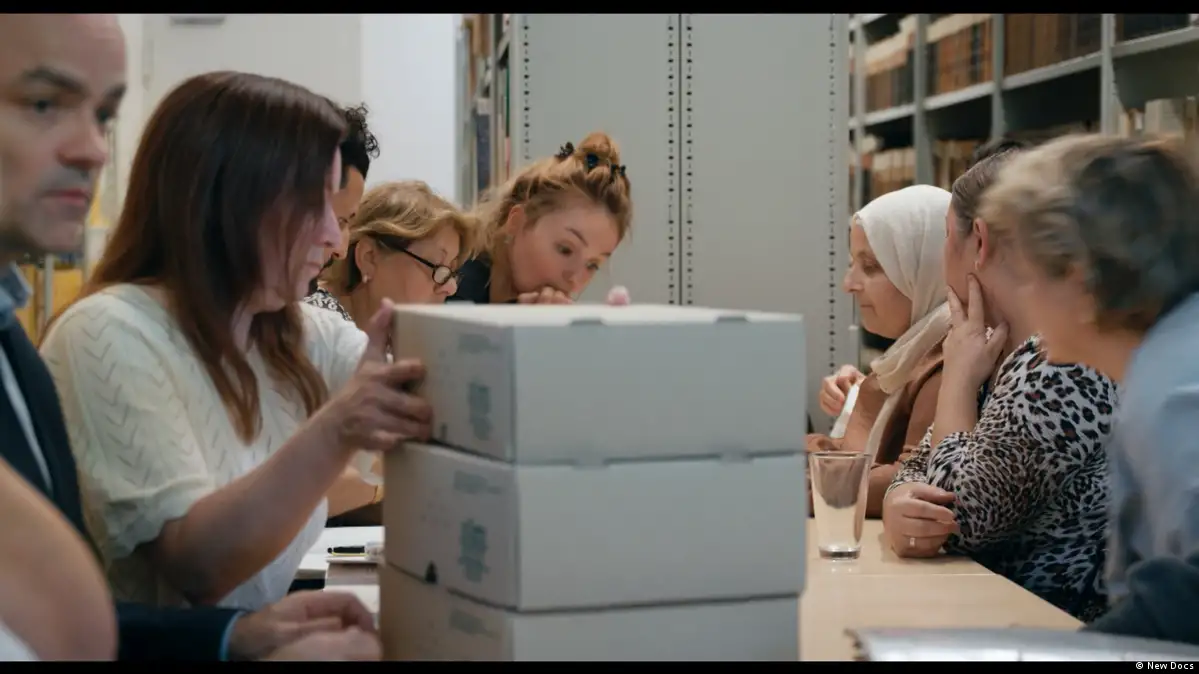
Ibrahim survived the fire, but lost his sister, cousin and grandmother. In the wake of the Mölln attacks, the town received thousands of letters of solidarity. They were archived - and forgotten for almost three decades.
Woven into İbrahim's moving quest to uncover the past and his encounters with three of the letter-writers, the rediscovered letters form a visual and emotional bridge between the past and the present. The film follows İbrahim and his siblings, painting a sensitive portrait of a trauma that continues to shape their lives to this day.
For İbrahim, coming to terms with the past means one thing above all else: fighting racism and championing a culture of remembrance centered on the perspectives of those affected. His brother Namik, on the other hand, is only beginning to process the trauma of their shared experiences.
The film also uncovers a powerful sense of solidarity - one that the victims and survivors were not previously aware of. The film is a plea for a new form of remembrance, one that takes the voices of survivors seriously and finally gives them the space and recognition they deserve.
For more documentaries from DocFilm, follow this link.