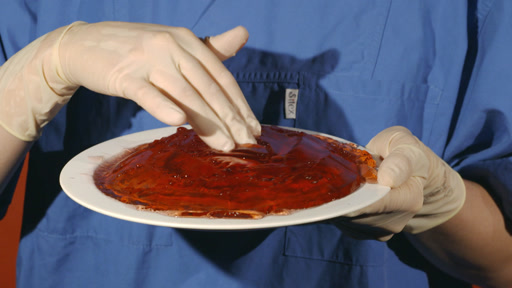
The placenta is far more than just a temporary organ – it’s one of nature’s most remarkable multitaskers. Often overlooked after childbirth, the placenta plays a crucial role throughout pregnancy. It delivers oxygen and nutrients to the growing baby, filters out harmful substances, produces essential hormones, and even supports the fetal immune system. Without the placenta, pregnancy simply wouldn’t be possible.
What makes the placenta truly fascinating isn’t just what it does, but how it comes to be in the first place. It develops from fetal cells, meaning that genetically it’s part mother and part father. So technically, it’s a foreign body within the mother’s body – yet her immune system doesn’t reject it. Instead, her body adapts, sustaining what is in effect an extraordinary biological bridge between two individuals. Remarkably, the placenta’s surface area can reach up to 14 square meters – roughly the size of three ping-pong tables – all dedicated to substance exchange between mother and child.
They’ve been buried, consumed, turned into art, processed into supplements, and suffered a wide variety of other fates. But no matter what happens to a placenta after a child is born, it continues to be surrounded by myth and ritual. While many of these practices lack scientific backing, they reflect the deep cultural fascination surrounding this key organ. It’s time the lowly placenta receives the lasting recognition it deserves.
Watch the entire series of Sex & the Body