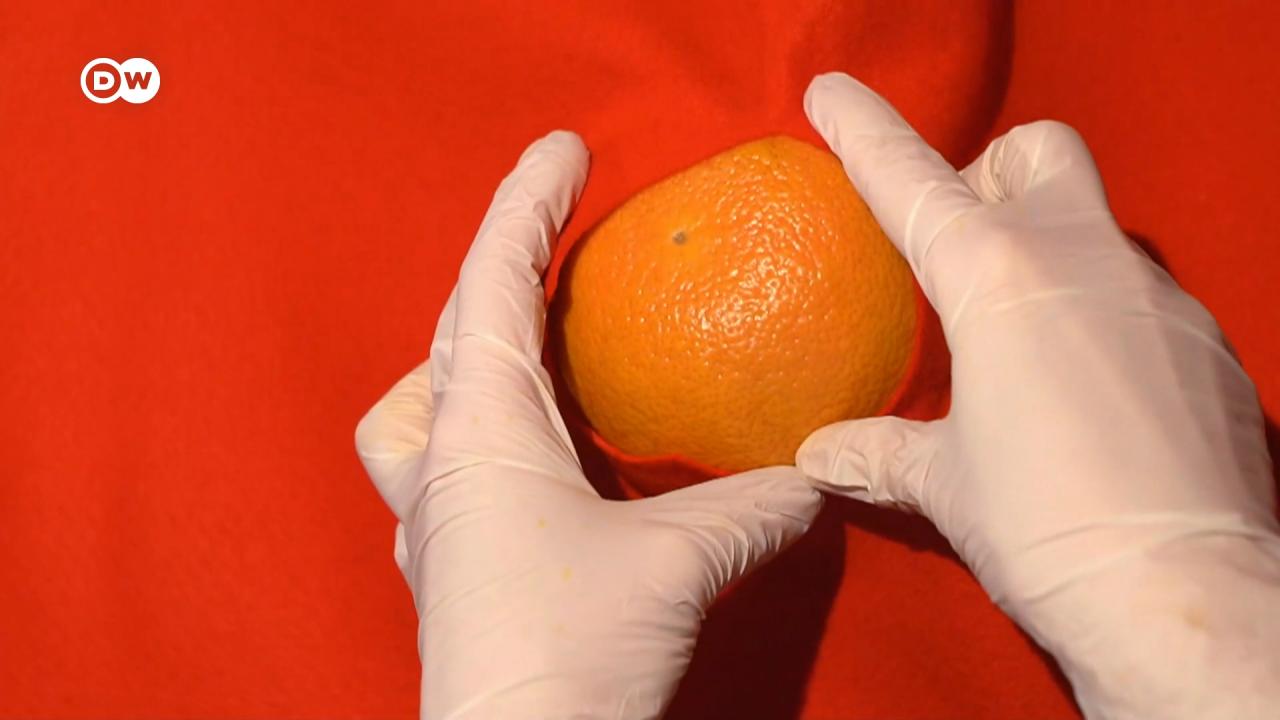
Giving birth can be compared to a symphony. In a low-intervention vaginal birth, the female body performs a breathtakingly complex act. From the uterus setting the rhythm with contractions to the cervix opening like a door, every part plays its role. Hormones like oxytocin and endorphins act like conductors guiding the process. The baby, too, is an active participant, performing a series of instinctive movements to navigate the birth canal. While every birth is unique, vaginal delivery in low-risk pregnancies is usually better for both mother and baby.
Why is movement encouraged during labor?
Being upright — standing, kneeling, or even using a birthing sling — can speed up delivery and reduce the need for assisted births. The baby rotates to navigate the narrow pelvis, and a woman’s urge to push often comes naturally. There’s no single “right” way to push; mothers are encouraged to follow their instincts. As the baby’s head crowns and passes under the pubic bone, the final movements unfold. While interventions like episiotomies may be necessary in emergencies, they are no longer routine. In fact, studies show that natural tears often heal better than surgical cuts, underlining the importance of minimizing unnecessary procedures.
The moment the baby is born marks the climax of this incredible performance—but the concert isn’t quite over. After the baby emerges and is placed on the mother’s chest for skin-to-skin bonding, the umbilical cord is cut, usually after it stops pulsing. Then comes the encore: The delivery of the placenta. Despite the physical toll — blood loss, possible tears, and exhaustion — many mothers describe the experience as one of profound pride and empowerment. As gynecologist Laura Trost puts it, “Nature puts us through a lot. But most mothers will later say they’ve never been so proud of their body.” By the end, the body’s orchestra has performed one of life’s most astonishing acts — bringing new life into the world.
Watch the entire series of Sex & the Body