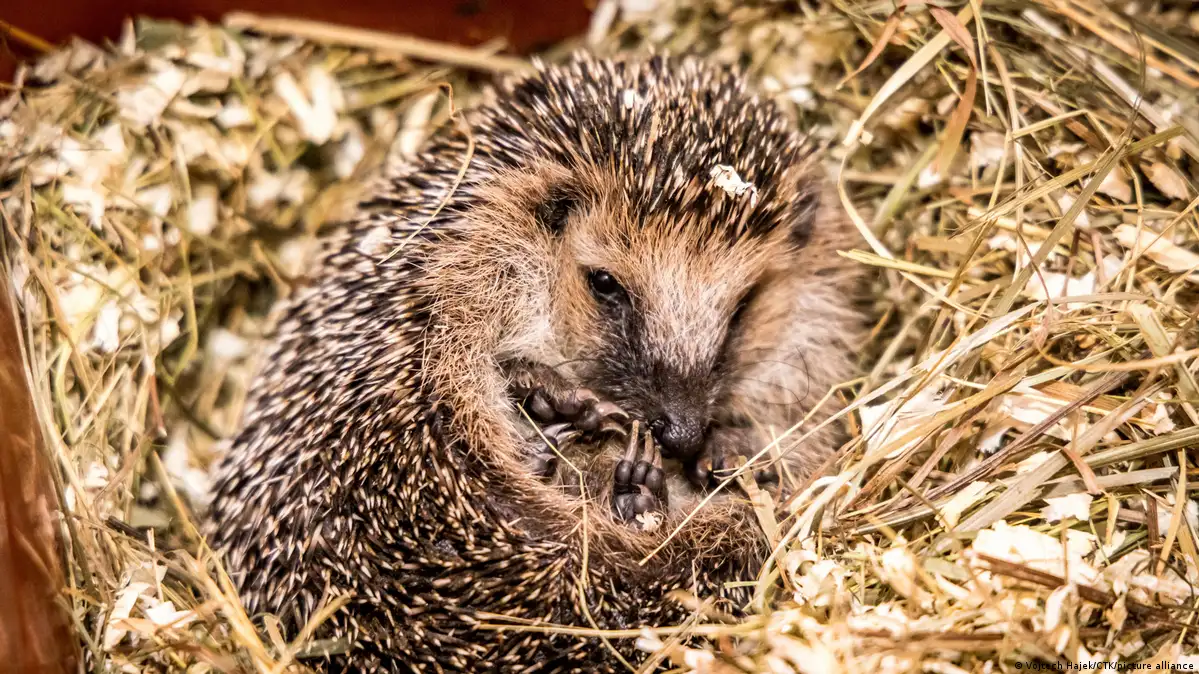
Hibernation is a vital survival strategy that helps animals endure cold winters and scarce food. Smaller species such as hedgehogs, bats and marmots rely on it most due to their high energy needs. As temperatures fall, they drastically slow down their metabolism: body temperature, heart rate and breathing drop to minimal levels, conserving energy. Sheltered spaces like burrows or caves also help curb heat loss. Hibernators build up fat reserves beforehand to sustain them for months without feeding. Controlled by internal biorhythms and daylight, the length and timing of hibernation can be disrupted by mild winters. Hibernation does not mean continual deep sleep - and some mammals even wake periodically to take a snack. Meanwhile, cold-blooded species like reptiles enter a similar state called brumation.