1. Skip to content
  2. Skip to main menu
  3. Skip to more DW sites
ScienceGlobal issues

Why do some healthy embryos fail to implant in the uterus?

26:04

This browser does not support the video element.

July 31, 2026

Around 70% of IVF treatments fail. Now, groundbreaking images of the earliest stages of pregnancy could help improve the odds. We also look at advances in stem cell research and regenerative therapies.

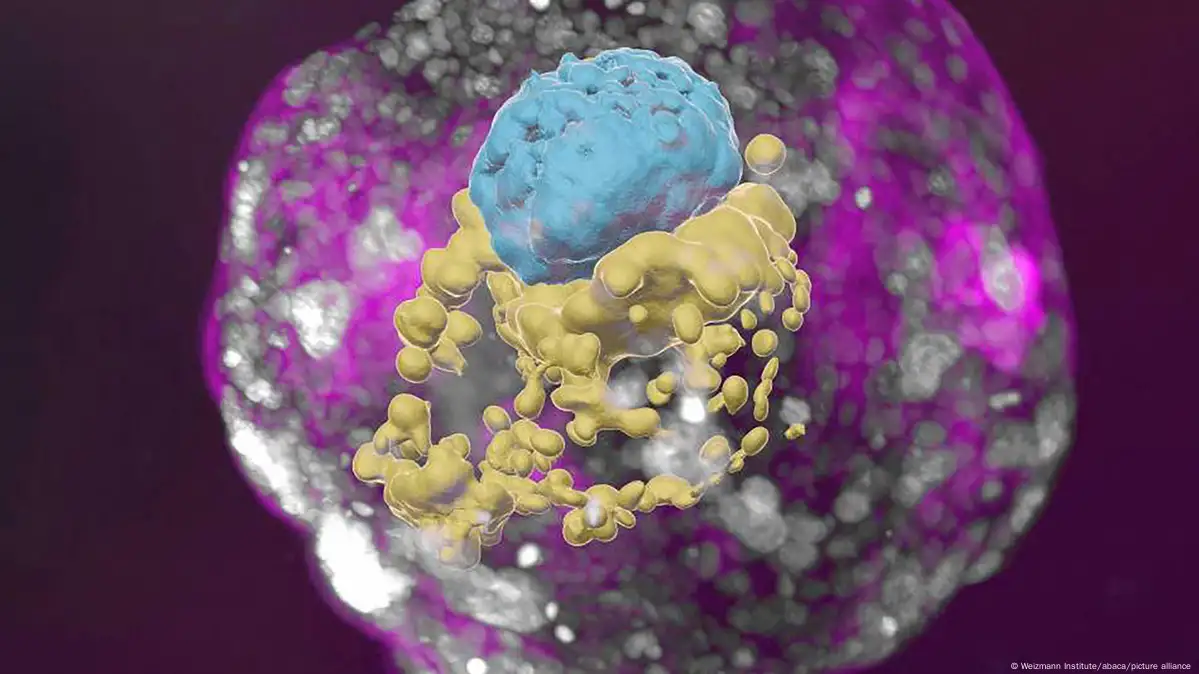
Around 70% of IVF treatments are unsuccessful. For the first time, researchers have implanted human embryos into an artificial uterine lining, capturing images that provide unprecedented insights into the earliest stages of pregnancy. Their findings could help improve fertility treatments and boost IVF success rates. Once a baby is born, early screening becomes crucial. Just a few drops of blood can help detect serious developmental disorders and prevent long-term complications. We also explore the potential of stem cells, promising new therapeutic approaches, and innovative drug delivery methods that allow medications to be targeted precisely where they are needed most.

Skip next section More from this show

More from this show

Show more
Skip next section About the show

About the show

Tomorrow Today — The Science Show

Dive in to the fascinating world of science with Tomorrow Today. Your weekly dose of science knowledge. A show for everyone who's curious -- about our cosmos and how it works.

Skip next section DW's Top Story

DW's Top Story

Skip next section More stories from DW

More stories from DW