Will the Iran war reshape the auto industry?
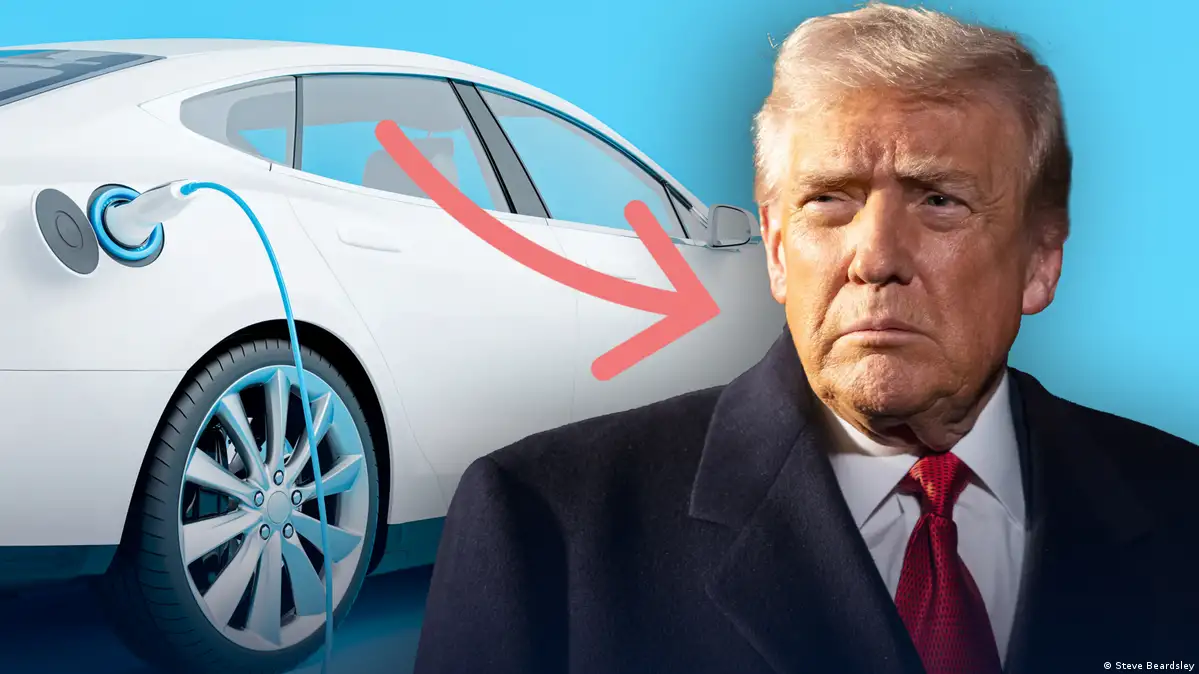
Electric vehicles are gaining renewed momentum as global fuel prices surge amid the Iran war and shifting energy politics. With EV technology now more mature and the secondhand market offering cheaper options, battery‑electric cars are increasingly seen as a cost‑saving alternative — not just a climate choice.
Across Europe, demand is rising fast. Germany recorded more new EV registrations than petrol cars for the first time in March, helped by renewed subsidies and gasoline prices topping €2 per liter in some markets. In the United States, recent policy reversals and the removal of EV tax credits slowed sales, but high oil prices and better used‑EV availability are reshaping consumer behavior.
China stands to benefit most. Already producing over half of the world's electric vehicles, it dominates battery manufacturing and rare‑earth supply chains, giving Chinese automakers a cost and scale advantage as global demand accelerates. For Europe, cheaper Chinese imports may speed up decarbonization under the European Green Deal — but at the risk of weakening its own auto industry.
As energy markets remain volatile, the shift toward electric mobility is becoming entangled with geopolitics, industrial policy and trade tensions — potentially marking a turning point for the global auto sector.
This video summary was created by AI from the original DW script. It was edited by a journalist before publication.