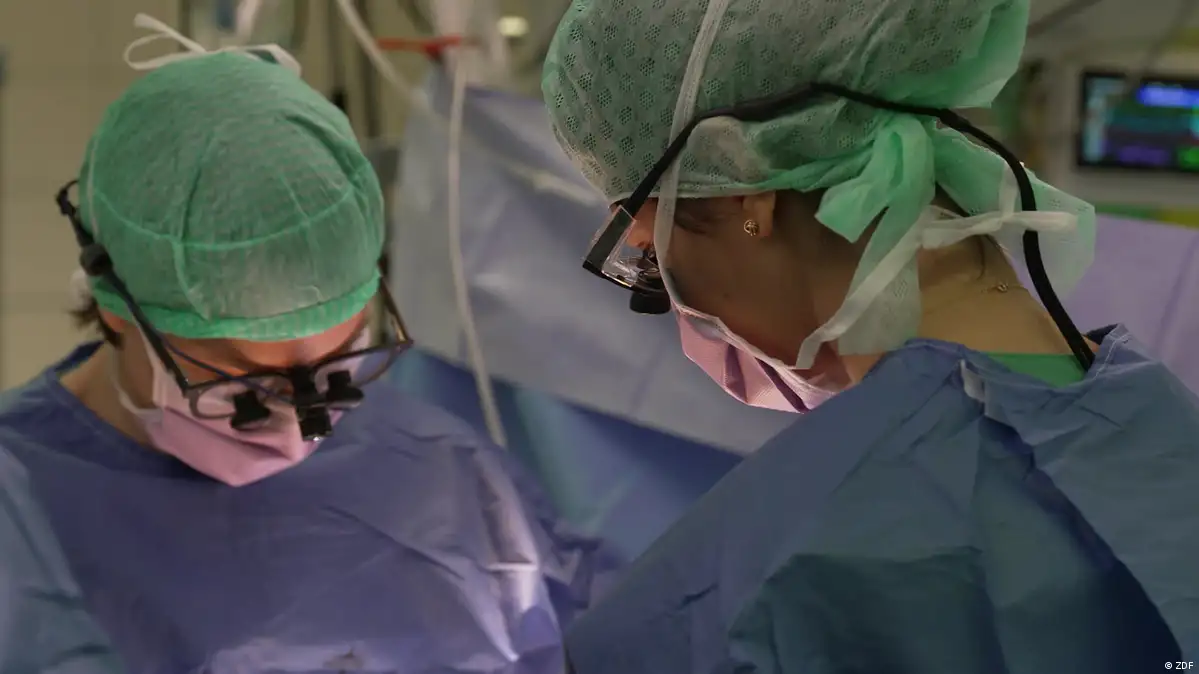
How is it possible that a specific tissue in the female body that was missing from anatomy textbooks had to be ‘rediscovered’? Meet the rete ovarii, a structure recently identified anew by a female developmental biologist. For centuries, medicine was dominated mostly by men, who overlooked or dismissed certain details of the female body and physiology as unimportant or vestigial. The ignorance that engendered can lead to life-threatening misdiagnoses in female patients. For example, when women report nausea, doctors often fail to consider that it could signal heart failure. Unfortunately, this trend persists in hospitals today. In cardiac surgeries in Germany, for instance, there are almost no female chief physicians—even though studies show women overall outperform men at the operating table. In this episode of TOMORROW TODAY, you’ll meet Dr. Nora Göbel, a heart surgeon at Robert Bosch Hospital in Stuttgart. We also share the story of dermatologist Dr. Cecilia Dietrich, who developed the ‘Checkup Box’—a mobile container equipped with medical technology and AI to enable skin cancer screening anywhere. Plus: How a mobile heart-lung machine that saves lives in critical situations, and how stroke patients are regaining independence with help from AI and exoskeleton technology.